

 See My Latest Article on HelloNation
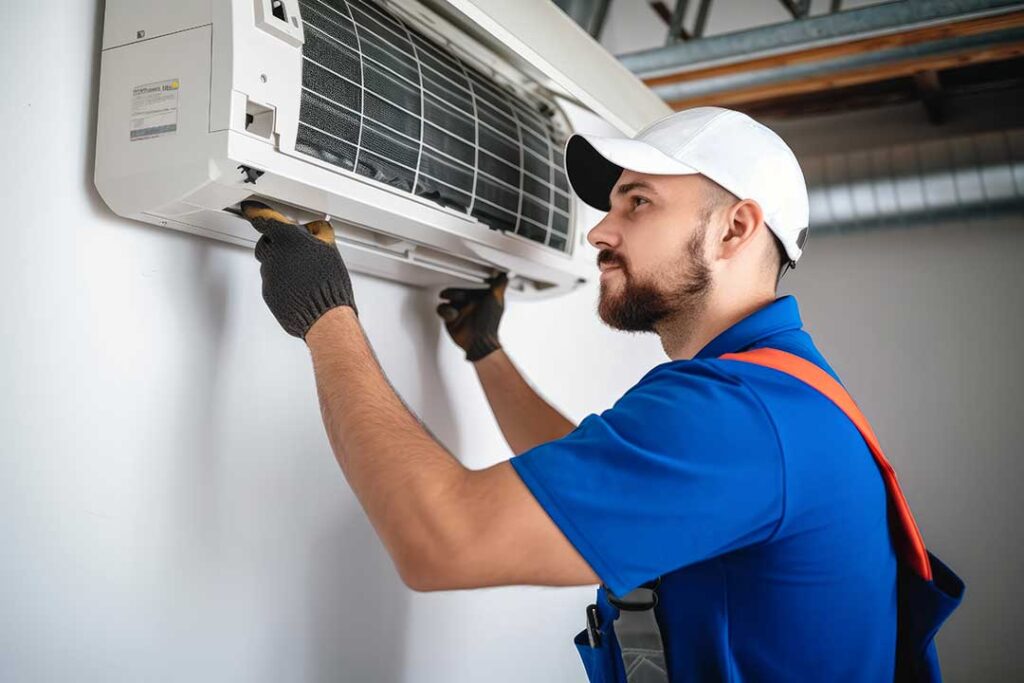
What Is a Heat Pump and How Does It Function?
A heat pump is an energy-efficient system designed to heat and cool a home using electricity. Unlike traditional furnaces or air conditioners, heat pumps move heat instead of generating it directly. This technology allows families in Chapin, SC to maintain comfortable indoor temperatures throughout the seasons.
A heat pump works on the principle of transferring heat between the indoors and outdoors. In the winter, it extracts heat from the outside air—even when it feels chilly—and moves it into the home. During warmer months, the process reverses, pulling heat out of the indoor air and sending it outdoors to cool the interior.
How Does a Heat Pump Differ from Other Heating and Cooling Systems?
A key difference is that a heat pump can both heat and cool a home, eliminating the need for separate units. Traditional systems, like gas furnaces paired with air conditioners, serve only one function each.
Here’s what sets heat pumps apart:
- *Dual Functionality*: Heats and cools from one unit.
- *Energy Efficiency*: Moves heat using refrigerant and electricity, using less energy than burning fuel.
- *No Onsite Combustion*: Many models do not require natural gas or oil, reducing combustion-related risks.
Residents often appreciate that a single system can meet comfort needs year-round, which can make maintenance simpler compared to managing multiple systems.
Are Heat Pumps Effective in Chapin’s Climate?
Yes, modern heat pumps are well-suited for the typical climate in Chapin, which features hot, humid summers and winters that are generally mild with only occasional cold snaps.
The efficiency of an air-source heat pump declines somewhat when temperatures drop below freezing, but these events are infrequent locally. Most area households find heat pumps can fully handle their heating and cooling demand. For extra cold periods, many systems include backup heating elements.
In summer, heat pumps also excel at dehumidifying the indoor air—a useful feature during muggy season stretches.
What Types of Heat Pumps Might Local Residents Encounter?
There are several heat pump styles, each with particular strengths:
- *Air-source heat pumps*: The most common, these transfer heat between indoor air and the outdoor environment. Newer models operate efficiently even at lower temperatures, which matches the handful of cold days seen in Chapin.
- *Ductless mini-split systems*: Useful in homes without existing ductwork or for additions and renovations.
- *Ground-source (geothermal) heat pumps*: Much less common due to higher installation cost and land requirements; these systems use stable ground temperatures for especially efficient operation.
Most homes in the area use air-source models due to their balance of cost, efficiency, and suitability for local weather.
What Maintenance Do Heat Pumps Require?
Basic upkeep for heat pumps is similar to central air conditioners and furnaces:
- Check and replace air filters regularly (every 1–3 months depending on dust and pet presence)
- Keep outdoor units clear of leaves, grass, and debris
- Rinse the outdoor coil with a hose when buildup is visible
- Make sure supply and return vents are unblocked
- Schedule annual inspection by a qualified technician to ensure safe and efficient operation

Practicing good upkeep helps heat pumps perform better and last longer. Neglecting routine maintenance can lead to higher energy use, reduced comfort, or costly repairs.
What Are Common Misconceptions or Questions About Heat Pumps?
Many people wonder if heat pumps can really keep a house warm in winter. Thanks to technological advances, especially in the last decade, modern models are highly effective except during unusual temperature dips. Some residents also assume that heat pumps are noisy, but most systems produce only a gentle fan sound outdoors and are quiet indoors.
Another question that comes up is about supplemental or emergency heat. Most units in the city have built-in electric resistance heaters that only activate if the outside temperature drops extremely low or if the main system can't keep up.
Do Heat Pumps Save Money in the Long Term?
Whether a heat pump saves money depends on several factors, including the efficiency of the system, usage habits, the home’s insulation, and current energy rates. For most area households with moderate winter heating demand, heat pumps can offer measurable utility savings compared to electric resistance heaters or older, less efficient heating systems.
Residents interested in energy conservation may find rebates or information through state or utility programs, which sometimes encourage adopting efficient heating and cooling systems.
What Should Homeowners Know Before Choosing a Heat Pump?
Before selecting a heat pump, it’s helpful to consider:
- Existing ductwork: The condition and layout impact installation options.
- Home insulation: Well-insulated and sealed homes make the most of a heat pump’s capabilities.
- Sizing: Systems must be correctly sized for both heating and cooling loads. Oversized or undersized units may lead to comfort issues and higher operating costs.
- Noise and placement: While modern heat pumps are generally quiet, placement of the outdoor unit should avoid windows or high-traffic areas for the lowest disturbance.
- Backup heat: Look into the type and efficiency of supplemental heat included, especially for rare cold snaps.
Homeowners looking to better understand suitability and options often compare system types and performance data specific to regional weather patterns.