
 See My Latest Article on HelloNation
What Does an HVAC Inspection Involve for Local Residents?
During an HVAC inspection in Chapin, SC, a trained technician will systematically check the entire home heating and cooling system. The inspector assesses safety, efficiency, cleanliness, and general function. Inspections here follow established best practices but often account for specific local concerns, such as high humidity, pollen, and seasonal temperature swings.
In practical terms, area homeowners should expect a careful look at both the indoor and outdoor units, extensive system testing, and a clear rundown of any issues found.
Why is HVAC Inspection Important in Chapin's Climate?
Inspections are especially valuable in Chapin because the region’s humid summers and periods of chilly winter weather can put significant strain on home comfort systems. High pollen counts in the spring and fall may clog air filters and coils faster than in less-wooded areas.
A comprehensive inspection helps:
- Detect problems before peak heating or cooling seasons
- Maintain energy efficiency during stretches of high use
- Prolong equipment lifespan, especially in homes exposed to dust, pollen, and moisture
What Areas of the System Get Reviewed?
Every professional inspection includes essential system components, but inspectors often adjust their approach based on the age of the home and any particular concerns you report. Typically, these areas receive focused attention:
- Air Filters and Vents: Checked for blockages from dust, debris, or pet hair. Local homes near wooded areas may see more rapid filter clogs.
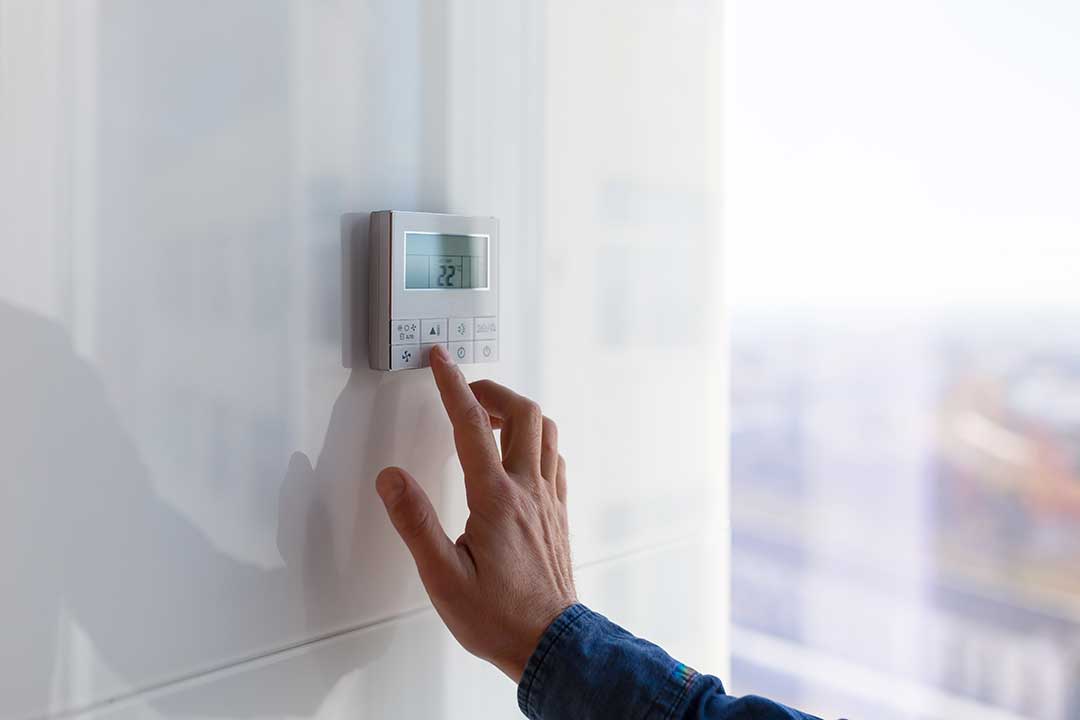
- Thermostats: Tested for accurate readings and proper cycling, especially important for comfort during Chapin’s temperature swings.
- Electrical Connections: Tightened and examined for corrosion, a common issue in humid environments.
- Blower Components: Inspected and cleaned if needed to ensure strong airflow.
- Condensate Drains: Checked for clogs and overflow risks, since local humidity makes proper drainage critical.
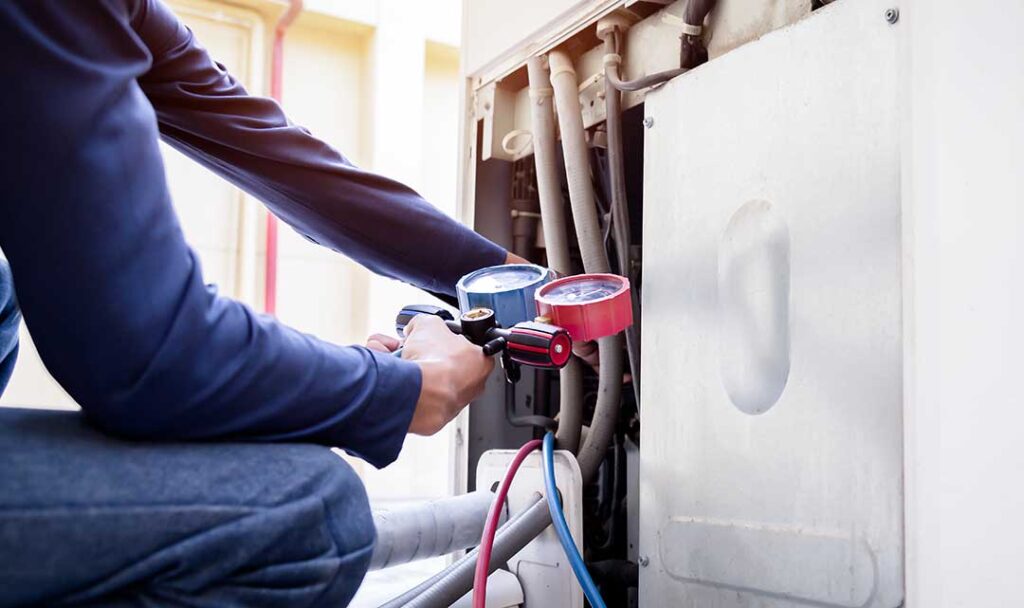
- Refrigerant Levels: Measured and assessed for leaks—a leak can reduce cooling performance during hot, muggy summers.
- Outdoor Unit: Inspected for leaves, grass, and pollen buildup often seen in local yards.
How Long Does an Inspection Take?
A thorough inspection for an average single-family home in Chapin typically takes around 60 to 90 minutes. Older houses, larger properties, or systems with known concerns may require more time. Most of this visit is spent working through a standardized checklist while making adjustments and taking readings.
If weather is severe—say, a summer thunderstorm or rare ice event—the inspection may take longer, especially when accessing outdoor units.
What Common Problems Are Found During Inspections?
Area technicians frequently discover:
- Clogged or dirty air filters
- Refrigerant lines with minor leaks (especially in older systems)
- Biological growth (like mold or algae) in condensate lines or pans, due in part to humidity
- Loose wiring connections
- Thermostat batteries running low or settings out of sync with household schedules
- Debris buildup in outdoor units, sometimes caused by seasonal storms or nearby tree cover
Catching these issues early keeps systems running reliably during months of high demand.
What Should Homeowners Do to Prepare?
Preparation is minimal. For a smoother inspection process, area residents can:
- Clear any furniture or boxes away from indoor units or vents
- Ensure the outdoor unit is accessible by removing obstacles like yard tools, garden hoses, or plants
- Write down any unusual noises, comfort issues, or recent spikes in utility bills to discuss with the inspector
- Know where the thermostat and breaker panel are located
These small steps can make the inspection faster and more thorough.
Will There Be Disruption During the Process?
Most routine inspections cause little disruption. Inspectors may move quietly through main living areas or utility spaces to access vents and units, and the system might briefly be turned off and back on for testing.
Residents occasionally notice a slight draft or temperature change during testing cycles but typically do not need to leave the home or rearrange their day.
How Will the Inspector Communicate Findings?
Expect a clear summary discussion at the end of the inspection. Local professionals usually provide a written checklist showing the condition of system components, measurements (like refrigerant pressures and temperature splits), and any recommendations for cleaning, repair, or future attention.
If anything urgent or potentially unsafe is found—such as a gas leak, exposed wiring, or carbon monoxide risk—inspectors should provide detailed next steps immediately and prioritize safety.
How Often Should Chapin Residents Schedule Inspections?
In Chapin, twice-yearly inspections are common—once before air conditioning season and once before heating season. This routine is shaped by the area’s climate: hot, humid summers and cooler, occasionally frosty winters stress different parts of the system at different times of year.
Homes with pets, heavy pollen exposure, or anyone with respiratory sensitivities may benefit from more frequent checks, especially during allergy seasons.
Are There Local Codes or Regulations Affecting Inspections?
While there are no unique local ordinances in Chapin imposing specialized inspection procedures for residential HVAC, systems must comply with state building codes for safety and efficiency. Inspectors are trained to recognize code issues such as outdated wiring or improper venting, which ensures that new and existing systems meet South Carolina’s minimum safety standards.