

 See My Latest Article on HelloNation
Can HVAC Systems Make Allergies Better or Worse in Chapin, SC?
HVAC systems play a big role in indoor air quality, which can directly affect allergy symptoms for many households in Chapin, SC. While these systems are designed to help keep homes comfortable, depending on their maintenance and design, they can either help control or even contribute to common allergy problems. Understanding how local climate and seasonal patterns interact with your home’s air system can answer many common questions from area residents.
What Are the Main Indoor Allergens in Chapin?
Local homes encounter a mix of common culprits:
- Pollen (especially spring and fall)
- Dust mites
- Mold spores
- Pet dander
The area's warm, humid summers create a natural environment for mold and dust mites, especially in homes where moisture isn’t controlled well. Pollen is another factor, with mild winters and long growing seasons allowing trees and grasses to produce allergens for more months of the year than in colder regions.
How Does an HVAC System Spread (or Control) Allergens?
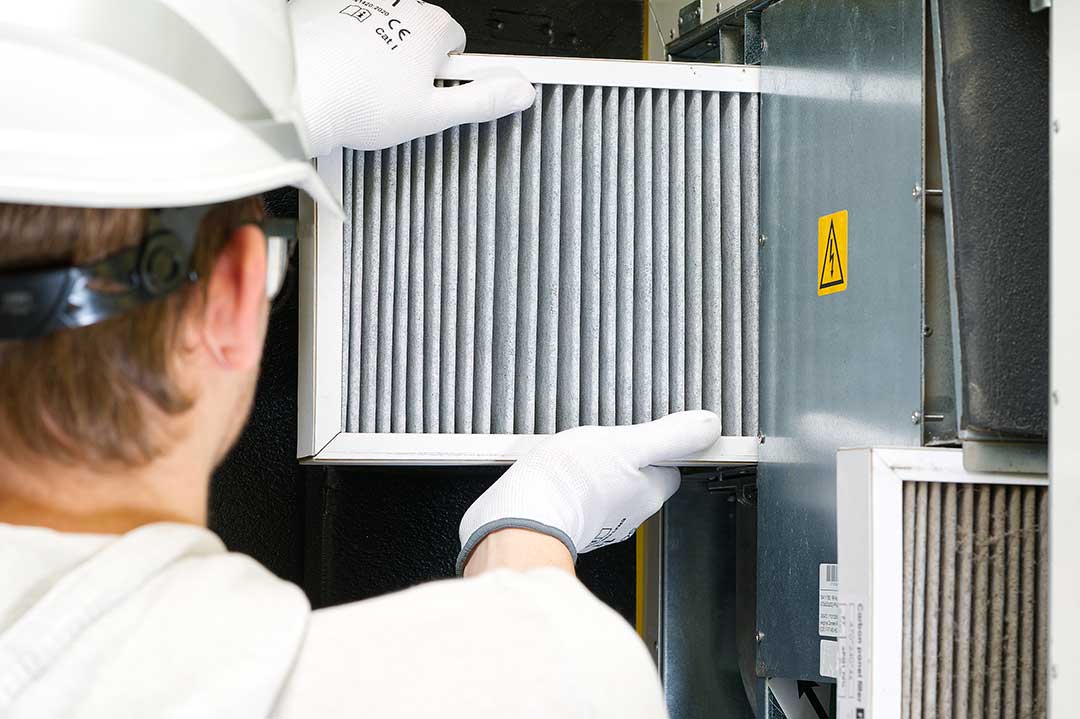
HVAC systems move air throughout your home. If filters aren’t maintained, they can circulate dust, pollen, pet hair, and mold spores rather than remove them. On the other hand, a system with a properly maintained filter helps trap many of these particles before they reach living spaces.
Key points to consider:
- Dirty filters allow allergens to pass through and may even become sources for mold growth.
- Ductwork with leaks or moisture problems can harbor and spread allergens, especially after wet weather or if there’s been roof or crawlspace water intrusion.
- High indoor humidity due to poor AC performance or improper settings can allow dust mites and mold to thrive.
What Air Filters Are Effective for Reducing Allergies?
Most Chapin residents use disposable filters that catch basic debris, but not all filters are equal in capturing allergens. Filters are often rated by a MERV number (Minimum Efficiency Reporting Value):
- Basic fiberglass filters (low MERV): Mostly protect the system, do little for allergens.
- Pleated filters (MERV 8–13): Capture finer particles, including pollen, dust mites, and pet dander—these are often enough for most allergy concerns.
- High-MERV (above 13) or HEPA: Trap smaller particles, but may require system upgrades to avoid airflow problems.
Check your system’s recommendations before using higher-rated filters since they can restrict airflow on older or smaller units.
How Often Should Filters Be Changed in Chapin?
Local pollen seasons and humidity make frequent filter changes practical. Generally, filters should be inspected monthly and changed every 1–3 months, but during:
- Peak pollen (spring, fall)
- High humidity stretches
- After home renovations or if there are pets
Consider changing more frequently in these situations. Residents with allergies may see the greatest benefit from staying on a regular schedule.
Do HVAC Ducts Need Cleaning for Allergy Control?
Routine duct cleaning isn’t always needed unless there is visible mold, dust buildup, or evidence of rodents. In homes that have experienced water leaks, construction, or several years of filter neglect, having ducts inspected may be useful. For most households, focusing on regular filter changes and humidity control will have a much larger impact.
What Other HVAC Maintenance Tasks Help Local Allergy Sufferers?
Small, regular actions are often the most valuable:
- Ensure system drain lines are clear to prevent moisture buildup.
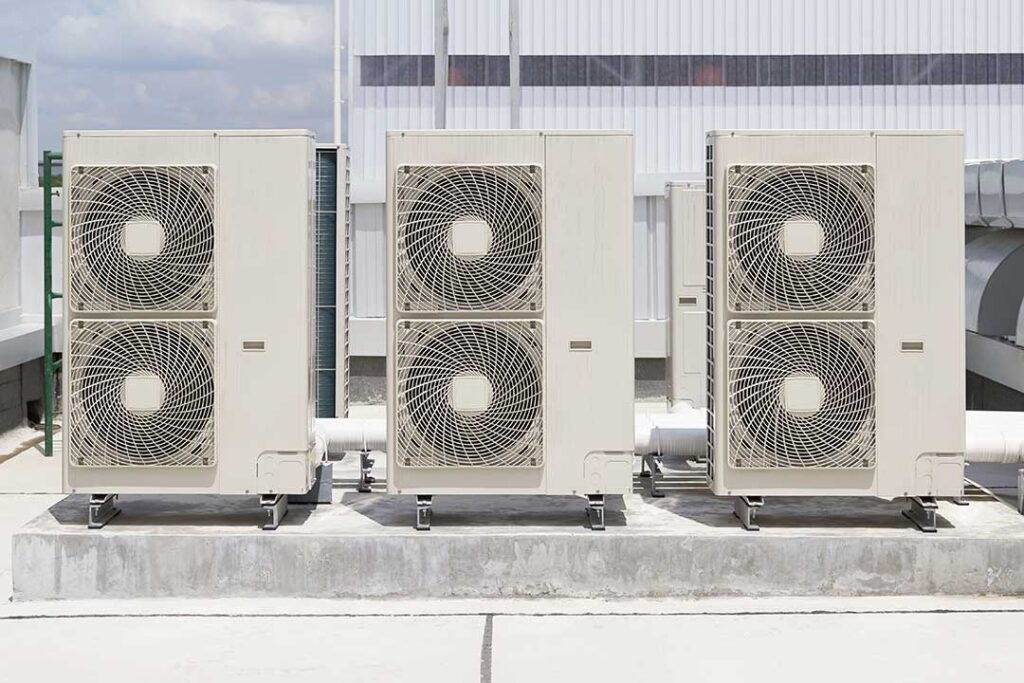
- Keep outdoor AC units free of leaves, pine needles, and pollen-harboring debris.
- Check for standing water under or near HVAC components, which may point to drainage or insulation problems.
If your system has a whole-home humidifier or dehumidifier, set it to recommended indoor ranges (generally 30–50% relative humidity) to discourage mold and dust mites.
Is Air Conditioning or Open Windows Better for Allergies?
In most of Chapin’s allergy seasons, running air conditioning with closed windows will reduce exposure to outdoor pollen and humidity. On high-pollen or humid days, use the AC to filter and dry the air rather than relying on open ventilation. Window screens offer some protection, but do not stop fine pollen or outdoor molds.
Are There Simple Ways to Improve Indoor Air Beyond the HVAC?
While HVAC plays a central role, combining good habits with system care nets the best results:
- Remove shoes at entryways to keep pollen and dust out.
- Use a damp cloth to dust surfaces, so allergens aren't kicked into the air.
- Limit indoor drying of laundry on high pollen days.
- Run bathroom and kitchen exhaust fans after showers or cooking to lower humidity.
Some households use portable air cleaners in bedrooms or living rooms, especially during peak allergy times.
Common Myths About HVAC and Allergies in Our Region
- Myth: “Bigger or more powerful systems always mean cleaner air.” System size doesn’t impact air quality—maintenance and filter quality matter much more.
- Myth: “Duct cleaning fixes most allergy problems.” Unless there’s visible buildup or contamination, regular cleaning doesn’t provide added benefit for most homes.
- Myth: “It’s only a problem in older homes.” Newer construction homes still face humidity, pollen, and dust challenges, especially as they are tighter and may recirculate more indoor air.
Learning the local factors and keeping a few basic habits makes all the difference for homes looking to reduce allergy triggers while keeping systems efficient and reliable.