

 See My Latest Article on HelloNation
Why Should Residents of Chapin, SC Prepare Their HVAC Systems for Winter?
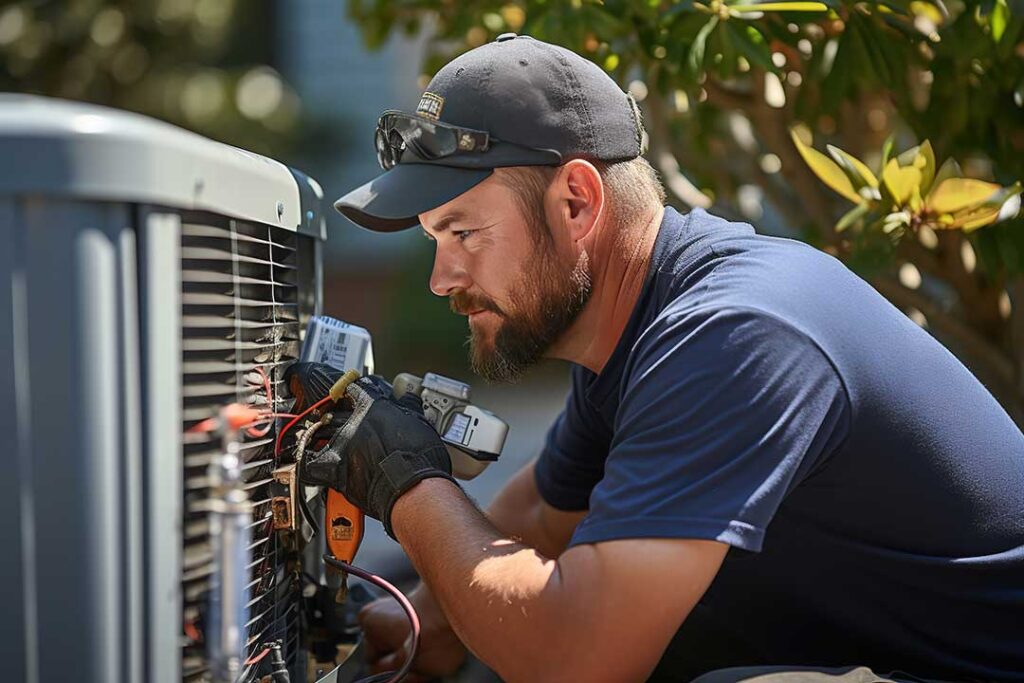
Preparing an HVAC system for winter ensures reliable heating and energy efficiency throughout the colder months. In Chapin, the winter season can include chilly evenings and occasional cold snaps, making home comfort equipment especially important for health and comfort.
Neglecting annual preparation can lead to unexpected breakdowns, higher utility bills, and costly repairs—especially when heating is needed most. Local households are wise to take proactive steps unique to the region’s blend of humid summers and brisk winter periods.
—
What Basic Maintenance Should Homeowners Perform Themselves?
Simple tasks can improve performance and extend equipment life.
Changing or cleaning your air filter is the single most effective step most residents can take. Filters in Chapin often collect extra dust, pollen, and pet dander, particularly after a long summer. For most homes, replace or clean the filter at least every one to three months.
Other straightforward steps include:
- Clearing debris (like pine needles or leaves) from around outdoor heat pump units.
- Checking that floor, wall, and ceiling vents are open and unobstructed.
- Making sure the thermostat batteries work and setting wintertime schedules.
A common misconception: Many residents think closing off unused rooms saves energy, but sealing off vents can actually strain ductwork and reduce system efficiency.
—
How Can Homeowners Check for Common HVAC Issues Before Cold Weather Arrives?
Before cold weather settles in, it’s wise to run a heating test cycle. On a mild day, switch the thermostat to heat mode and raise the temperature a few degrees to see how the system responds.
Listen and look for:
- Unusual noises, like banging, screeching, or rattling.
- Strong odors beyond a short-lived “burning dust” smell (which is normal for the first use of the season).
- Insufficient airflow coming from vents.
Identify drafty windows or doors by feeling for chill around frames on windy days. Gaps here cause uneven heating and make the system work harder.
—
How Do Local Climate and Housing Styles Affect Winter HVAC Readiness?
Homes in Chapin commonly use heat pumps or dual-fuel systems, which are well-suited to milder southern winters but can be sensitive to swings in temperature and humidity. Unlike colder regions, systems here may need to switch between heating and cooling modes during late fall and early spring.
Slab-on-grade foundations, older homes with crawl spaces, and open-plan designs present different challenges:
- Homes with crawl spaces should check insulation and close foundation vents if present.
- Open floor plans can be harder to heat evenly; consider using ceiling fans in reverse to circulate warm air from ceilings downwards.
Awareness of these local features helps residents focus their preparation efforts where needed most.
—
What Are Some Overlooked Steps for Protecting HVAC Equipment Each Winter?
Many homeowners focus on indoor maintenance but overlook outdoor units and system accessories.
Consider these often-missed steps:
- Cover or shield outdoor heat pump units only if debris risk is high, using a manufacturer-approved cover that allows ventilation. Never wrap units tightly or trap moisture, as this may encourage rust or rodent nesting.
- Inspect insulation around external refrigerant lines and replace if cracked or missing.
- Clean or replace humidifier pads (if installed on a furnace or air handler), as clogged pads can reduce humidity control and lead to stale-feeling air inside.
Check crawl space and attic access points, ensuring they are weather-stripped and sealed to limit cold air infiltration.
—
When Should Safety Be a Priority?
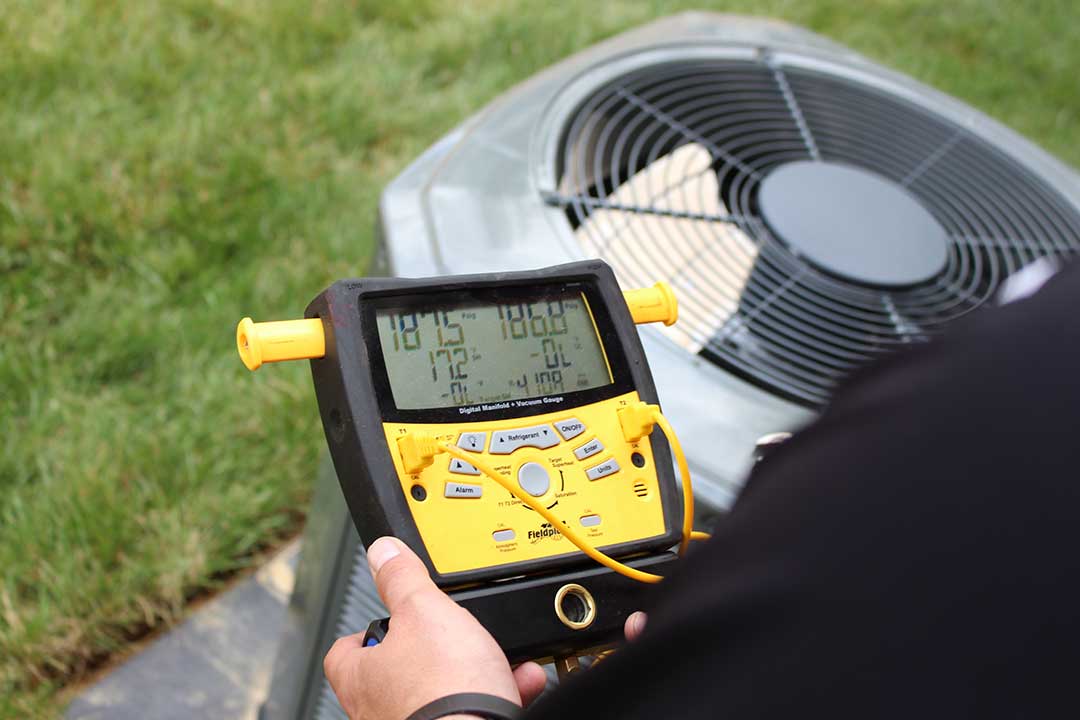
Some maintenance tasks are best left to qualified technicians. These include working with electrical components inside the HVAC unit or handling refrigerants. However, homeowners can safely check for:
- Signs of electrical burning, like melted wires or electrical smells.
- Visible water leaks or rust in and around the indoor unit.
- Blocked combustion air vents or flues on gas systems, which can cause dangerous carbon monoxide buildup.
If these issues are found, turning off the system and seeking expert evaluation is the prudent action.
—
How Can Residents in Chapin Reduce Drafts and Maximize Comfort?
Effective weatherproofing makes a big difference in overall comfort and helps the heating system work less during winter.
Address drafts by:
- Using weatherstripping and door sweeps to seal gaps on exterior doors.
- Applying caulking around window frames or where pipes enter the home.
- Adding or adjusting insulation in attics or crawl spaces, particularly in older homes.
Setting the thermostat a couple of degrees lower when sleeping or away, and wearing layers indoors, can trim heating costs without sacrificing comfort.
—
Are There Any Tips to Optimize Indoor Air Quality During Winter?
During colder weather, homes in Chapin are closed up more often, which can trap pollutants and allow humidity to drop, resulting in dry air.
Consider these methods to improve air quality:
- Change filters often, especially if anyone in the home has allergies or respiratory issues.
- Use exhaust fans in bathrooms and kitchens to control excess humidity and reduce indoor pollutants.
- Run whole-house or portable humidifiers if static electricity, dry skin, or nosebleeds become common.
Remember, balancing humidity helps both indoor comfort and the health of wood floors and furniture.
—