

 See My Latest Article on HelloNation
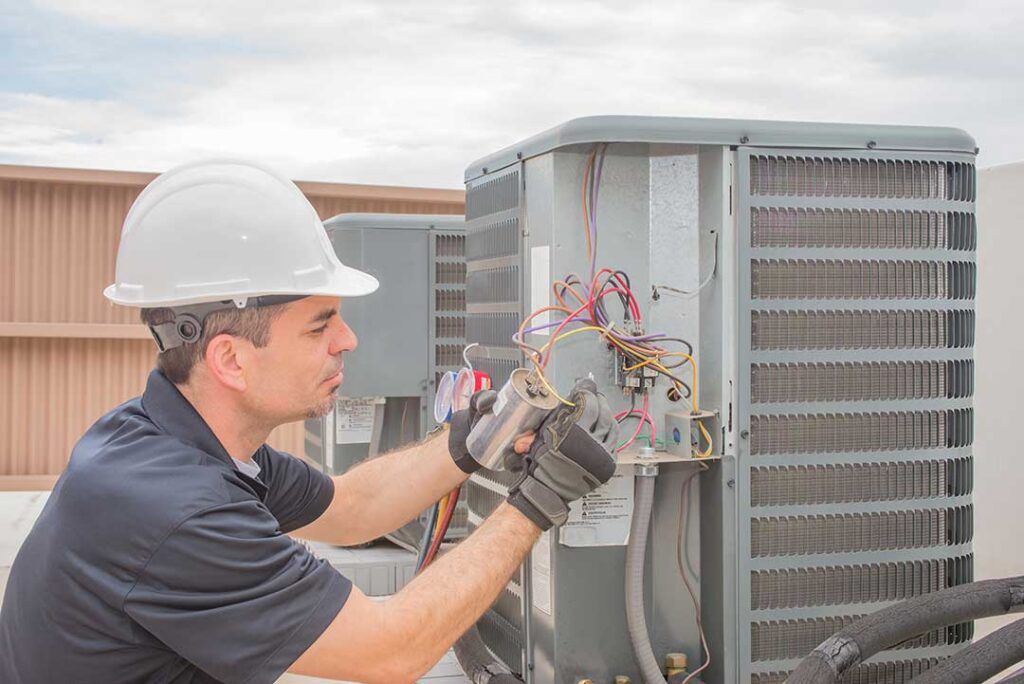
Are Bigger HVAC Systems Always Better?
A larger HVAC system does not automatically mean better comfort or efficiency for Chapin homes. In fact, oversizing a unit often leads to short cycling—when the system turns on and off repeatedly—rather than steady, effective temperature control. Short cycling uses more energy, wears out components, and can result in uncomfortable humidity inside. Residential systems work best when they’re sized specifically for the home’s square footage, insulation, and sun exposure, which are all important considerations in local neighborhoods.
Do You Really Need to Change Your Air Filter That Often?
Yes, regular air filter changes are essential, even if it may seem excessive. Dust, pollen, and pet dander in local homes accumulate quickly, especially with Chapin’s warm, humid climate and spring pollen. Clogged filters make the HVAC system work harder, increasing energy bills and risk of breakdowns—especially during southern summers when cooling loads surge. For most area households, changing filters every 1-3 months is a practical guideline, with more frequent changes if you have pets or allergies.
Is It Cheaper to Close Vents in Unused Rooms?
Contrary to popular belief, closing supply vents to save money doesn’t actually help most homes in Chapin. Central HVAC systems are designed to distribute air evenly. Blocking vents increases duct pressure and can cause leaks, reducing efficiency and possibly damaging equipment. Instead, maintaining open airflow throughout the home supports system performance and balanced comfort across different rooms.
Does Setting the Thermostat Lower Cool Your Home Faster?
Lowering the thermostat far below your target temperature won’t cool (or heat) your home any faster. Most residential systems in the city operate at a constant speed. The system simply runs until the set temperature is reached, so extremely low settings only waste energy and risk overcooling. For best results, set your thermostat to your preferred comfort level. If you want to save energy during peak heat, consider gradual adjustments and use fans to help circulate air.
Is Annual HVAC Maintenance Really Necessary?
While it’s easy to skip, annual maintenance can help prevent breakdowns and efficiency loss—especially given the heat, humidity, and pollen local systems handle each year. Even if heating and cooling seem fine, components like coils, drains, and sensors can develop hidden issues. Preventive care helps systems run smoothly when families need them most—particularly during the hottest summer stretches and crisp winter nights typical in Chapin.
Do Programmable Thermostats Always Save Money?
Programmable thermostats offer energy-saving potential, but only if residents program them thoughtfully and use them consistently. Simply installing a programmable thermostat doesn’t guarantee lower bills. In the city’s variable seasons, savings depend on factors like setting appropriate setbacks when the home is empty and returning to efficient temperatures before returning home. For best results, tailor programming to household routines and remember to update schedules with changes in local weather patterns or work hours.
Can You Rely on HVAC to Tackle Indoor Humidity Alone?
Humidity can be especially persistent during long Chapin summers. While AC systems remove some moisture, they aren’t always enough when outdoor humidity is extreme or homes have poor sealing. Relying solely on air conditioning for moisture control can result in clammy or inconsistent comfort. To help manage humidity:
- Use exhaust fans in kitchens and bathrooms
- Check for leaks or water intrusion
- Consider a dedicated dehumidifier in areas prone to dampness
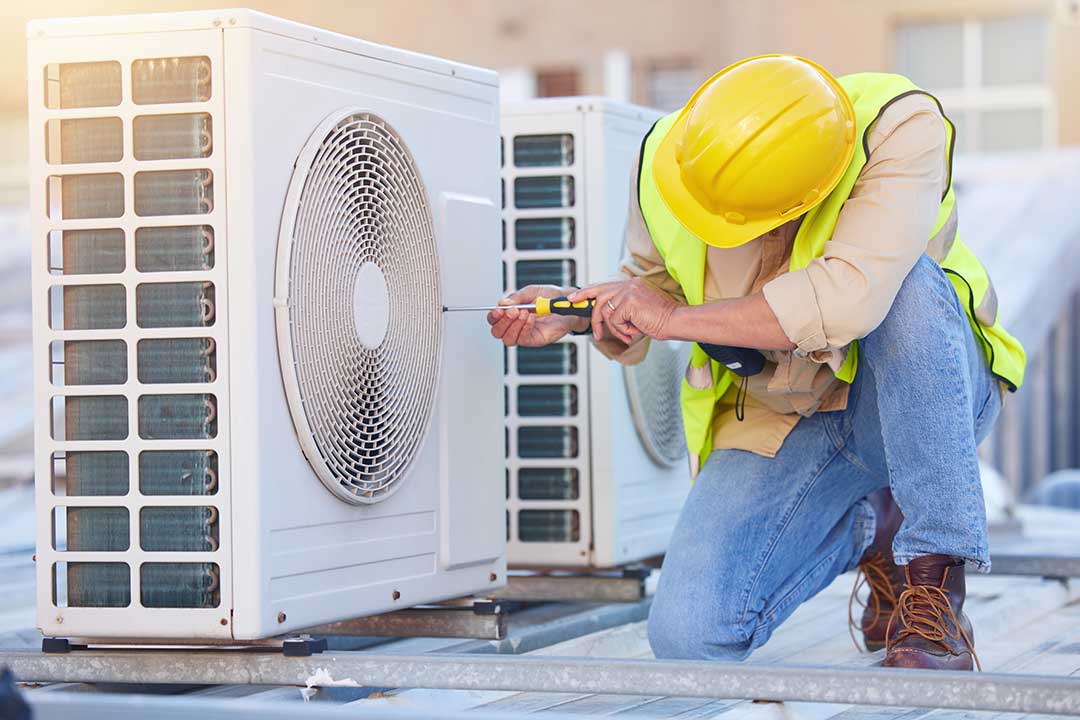
Addressing humidity at its source supports both comfort and indoor air quality.
Will Turning Off Your System When You Leave Save the Most Energy?
Shutting off heating or cooling entirely while you’re out might sound thrifty, but it can actually cause your system to work harder (and less efficiently) later. In Chapin’s hot afternoons or occasional winter snaps, letting indoor temperatures swing widely means it takes more energy to bring them back to normal. Instead, raising the thermostat setting by several degrees (cooling) or lowering it (heating) during absences is usually more cost effective than a complete shutdown.
Is HVAC Maintenance a DIY Project?
Changing filters or checking thermostat settings can be simple homeowner tasks. However, deeper maintenance—like handling refrigerants, electrical connections, or system diagnostics—should be left to licensed technicians for safety and warranty reasons. Some repairs or system checks involve local building codes or environmental standards that residents should be aware of.
Does an Older System Always Need Replacing?
An older HVAC system isn’t necessarily past its useful life automatically. Age is just one indicator; efficiency, reliability, and ongoing comfort matter just as much. Many older units in the city continue to perform well with maintenance. The real tipping points are frequent repairs, rising utility bills, or persistent comfort issues, rather than system age alone.