

 See My Latest Article on HelloNation
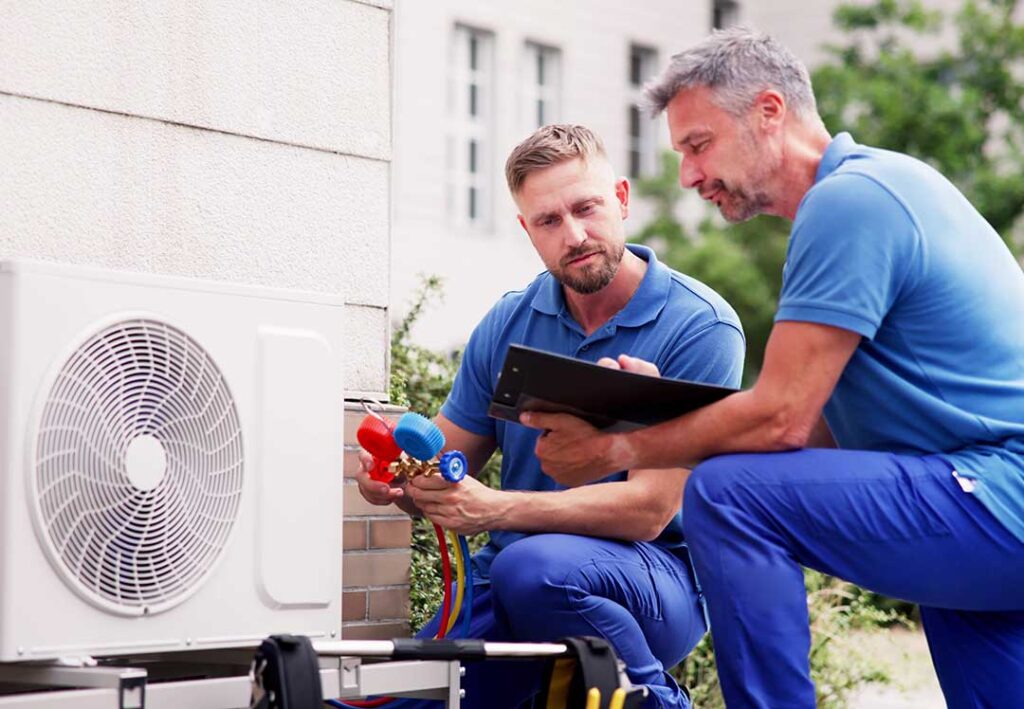
Why Do HVAC Systems Start Making Strange Noises?
Unusual sounds coming from a home's heating and cooling equipment can worry any resident in Chapin, SC. Typically, these noises signal a minor issue, but some can indicate a more serious mechanical or safety problem. Understanding the kinds of noises you might hear—and what might cause them—can help local homeowners identify when something needs simple attention or if it’s safer to turn off the system and seek professional help.
What Are the Most Recognizable HVAC Noises, and What Do They Mean?
Different HVAC issues tend to produce distinctive sounds. Here are some of the most frequently reported noises in residential systems, especially in homes found in the area:
- Banging or Clanging: Often related to loose or broken parts inside the blower or compressor.
- Hissing: May signal air leaks in ductwork or a refrigerant line issue.
- Squealing or Screeching: Frequently associated with worn-out belts or failing motor bearings.
- Clicking: While normal at start-up or shutdown, repeated clicking may indicate an electrical problem or a faulty control.
- Rattling: Can come from loose panels, hardware, or debris inside outdoor units.
- Buzzing: Sometimes results from electrical issues or failing parts, including motors or relays.
Each sound gives a clue to what’s happening inside the system.
Could Seasonal Changes in Chapin Make HVAC Noises More Noticeable?
Yes. Chapin’s climate, with its humid summers and cool winters, means most systems run for long periods and shift frequently between heating and cooling. This extra “work” can cause parts to expand, contract, and wear out faster. For example, during high humidity, excess moisture can worsen rattling sounds if debris enters an outdoor unit, and sudden temperature drops in winter can make ductwork pop or bang as metal expands and contracts.
Why Might Ductwork Make Popping or Banging Sounds?
Short, sharp pops or bangs—especially when the system starts up—are usually the result of sheet metal ducts expanding or contracting. As temperature or air pressure inside the ducts changes quickly, the metal can flex and snap back into place. In many older homes in the city, ductwork may not be as securely mounted or insulated, making these noises common. Adding insulation or securing the ducts often reduces this sound, but it’s typically harmless if sporadic.
How Do Loose or Damaged Parts Cause HVAC Noises?
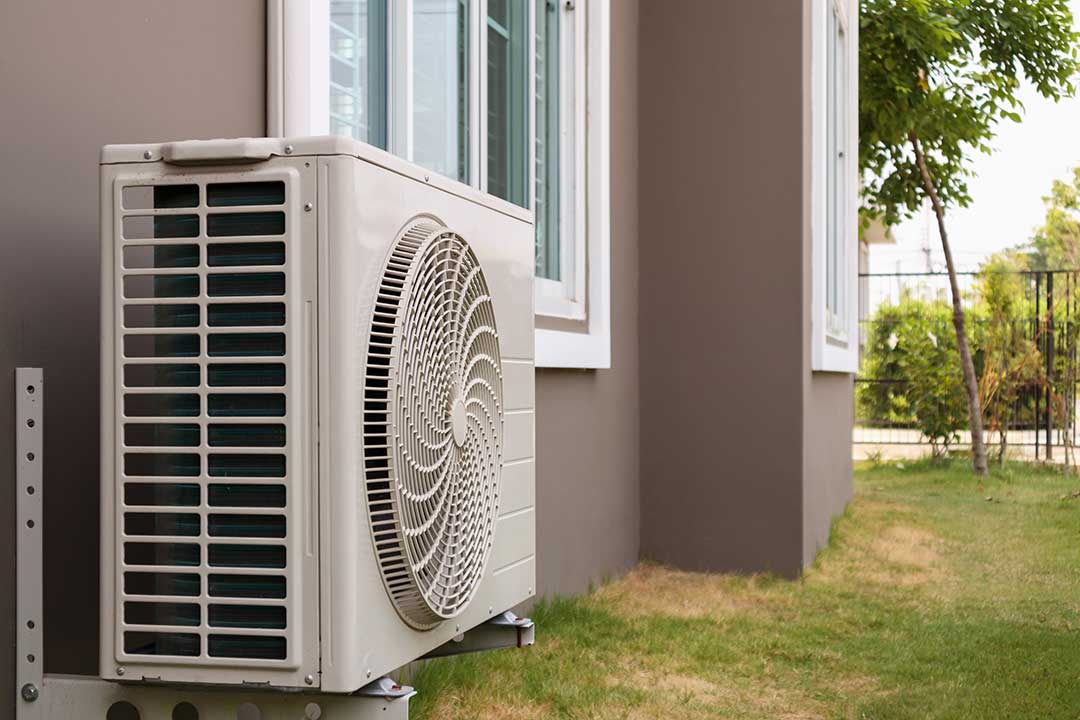
When parts become loose, they can vibrate or knock against other components. Common culprits include blower motor mounts, fan blades, or even screws and panels that have shifted due to regular use. Residents sometimes overlook outdoor units, but twigs, gravel, or acorns can get lodged in the fan housing or base, causing persistent clattering while the system runs.
Are Squealing or Screeching Noises Always a Sign of Failure?
Not always. These sounds may simply mean a belt is slipping or needs lubrication. However, persistent or worsening squeals can indicate worn-out bearings in a blower or outdoor fan motor. If ignored, this can lead to a motor seizing up, which is a much costlier fix and may leave your system inoperable during high-use months.
What Does Hissing Mean in an HVAC System?
A continuous hissing noise can be alarming. In many local homes, it signals either an air leak (such as a disconnected duct in the attic or crawlspace) or a potential refrigerant issue. While a mild air leak may just reduce efficiency, refrigerant leaks can damage the system and are unsafe to handle without proper training. If you notice a hissing sound along with a loss of cooling, it’s best to switch off the system and seek expert advice.
Are Clicking and Buzzing Noises from HVAC Equipment Dangerous?
Mild clicking is normal at the start and end of a heating or cooling cycle. If you hear constant or loud clicking, especially near the control board or thermostat, it could mean an electrical relay or capacitor is failing. Buzzing, meanwhile, sometimes points to electrical problems or motors struggling to start. These issues can escalate into hazards if not addressed, so persistent electrical noises should never be ignored.
Do Rattles and Vibrations Always Mean Something Is Wrong?
Not always. Light rattling might mean debris has collected in the outdoor unit or a panel is slightly loose after a recent filter change or service. However, if a new rattling noise is steady and increases when the fan runs, it can point to something internal, like a loose blower wheel or failing mount. In a tightly-built home, these sounds may seem louder during quiet winter evenings when the heat runs.
What Common Misconceptions Lead Residents to Ignore HVAC Noises?
Many people believe that all mechanical systems simply get “noisier with age,” or that strange sounds are just the result of “settling” after seasonal shifts. While it’s true that older equipment may be louder, new or changing noises almost always have a root cause. Regular attention to abnormal sounds can help local residents avoid larger repairs and ensure safe operation—especially ahead of the area’s hottest or coldest months.