

 See My Latest Article on HelloNation

Why Does Ductwork Maintenance Matter for Chapin, SC Residents?
Routine care of central heating and cooling ducts helps area families reduce humidity issues, lower energy bills, and keep indoor air clean. Chapin’s warm, humid climate means ductwork is often exposed to conditions that can encourage mold, mildew, and dust buildup. Well-maintained ducts deliver balanced air throughout the home, prevent hot and cold spots, and extend the lifespan of HVAC equipment.
Well-cared-for ducts also keep pollen, dust, and outdoor allergens from cycling through your home, which can improve comfort for allergy sufferers. Unattended duct systems may develop leaks, blockages, or growths that not only waste energy but can also impact air quality and comfort for everyone.
What Signs Suggest Ductwork Needs Attention?
Noticeable changes in airflow, inconsistent room temperatures, or a sudden spike in utility bills are among the most common clues local homeowners observe. Other indicators include:
- Persistent dust settling quickly after cleaning
- Damp or musty odors, especially when the AC or heat is on
- Whistling, rattling, or banging sounds in ceiling or wall vents
- Visible dust or debris near supply and return registers
If pets, ongoing construction, or high pollen counts are present in the neighborhood, extra vigilance may be necessary. These factors often increase the amount of particulates entering the system.
How Often Should Ductwork Be Checked or Cleaned?
While there are different recommendations, homes in Chapin should have ductwork visually inspected every 2-3 years and cleaned only as needed. Unlike HVAC filters, which require routine changes every one to three months, ducts do not need frequent deep cleaning unless one or more of the following apply:
- Mold growth is visible on or inside duct surfaces
- Residents experience unexplained persistent allergy symptoms
- Pests or rodents have recently accessed the system
- Heavy dust, renovation debris, or smoke residues are present
Most routine duct tasks—like inspecting for leaks, dusting accessible grilles, and keeping furniture away from vents—can be handled as part of seasonal household care.
What Steps Can Local Residents Take to Maintain Ducts Themselves?
Most area homeowners can complete many basic tasks that make a real difference in duct system performance:
- Replace or clean system filters regularly. This prevents buildup that may clog ducts downstream.
- Keep air supply and return registers clear. Avoid blocking vents with rugs, curtains, or furniture.
- Vacuum registers and accessible grilles quarterly. Use a vacuum with a brush attachment to remove surface dust.
- Look for signs of damaged or disconnected duct joints in attics or crawl spaces. Sealing with mastic or approved foil tape can stop energy loss.
- Maintain reasonable indoor humidity levels (30-50%). This discourages moisture and mold inside the ductwork, especially during muggy summers.
- Limit dust sources. Place mats at exterior doors and regularly groom pets.
Never insert cleaning tools deep into ducts or attempt to detach sections unless you have experience. Overzealous cleaning sometimes damages components or dislodges seals.
Are There Duct Problems That Require Special Caution or Outside Help?
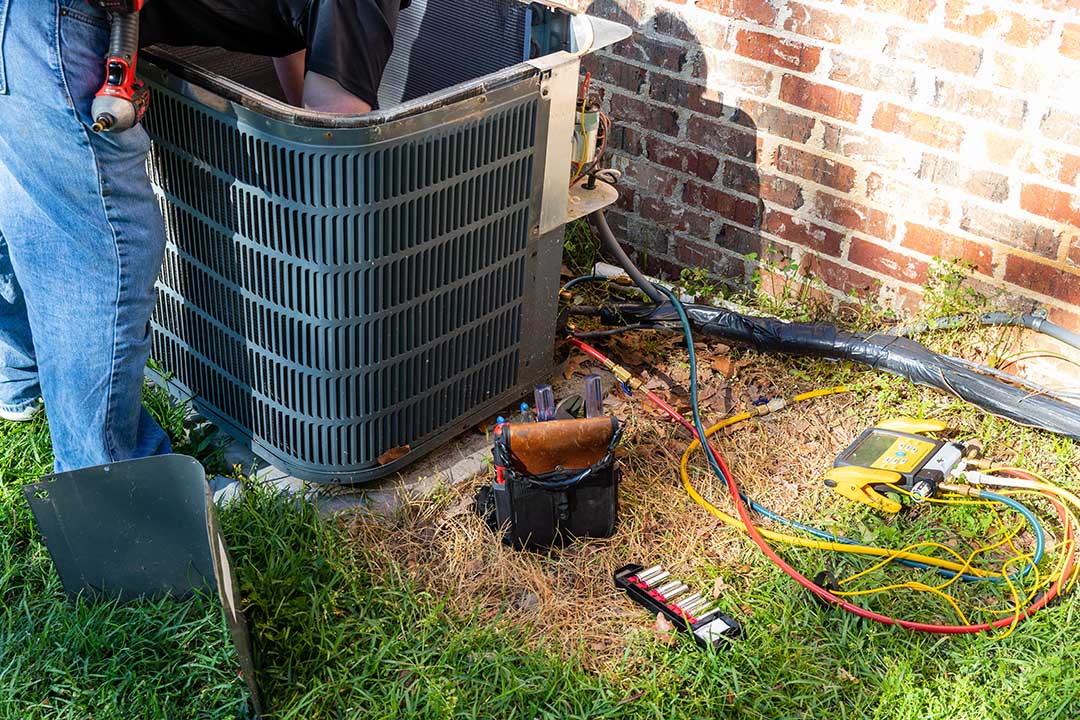
Usually, safety or legal requirements are limited to situations involving asbestos-containing materials, significant rodent droppings, or suspected mold growth extending beyond a few square inches. In these cases, stopping airflow and avoiding further disturbance is critical until the situation can be properly assessed.
Other scenarios where intervention may be warranted include:
- Strong persistent odors nobody can trace
- Unusual noises paired with airflow loss
- Sudden drops in system performance after heavy storms or flooding
Otherwise, for most minor leaks, dust, or airflow irregularities, residents can address them using simple tools and care.
What Are Common Misconceptions About Duct Cleaning and Sealing?
Many people believe ducts should be cleaned annually. For most modern homes, this isn’t necessary—Chapin’s variable pollen seasons and humidity may make cleaning occasionally useful, but frequent service isn’t usually beneficial unless specific symptoms are present.
Another myth is that closing vents in unused rooms saves energy. In practice, closing off ducts can create pressure imbalances that strain the system and force air through leaks, leading to greater inefficiency and discomfort.
Lastly, not all sealing materials are suitable for ducts. Household duct tape degrades rapidly and should not be used on HVAC metal or flexible ducting—specialized HVAC mastic or foil tape is required for lasting repairs.
How Can Residents Improve Duct Longevity and Efficiency Season by Season?
Simple, targeted seasonal care helps prevent many common issues:
- Spring: Check registers for winter dust, clear excess debris near outdoor AC units, and inspect attic access points for new drafts.
- Summer: Monitor for condensation on ducts, especially those running through unconditioned spaces, and ensure attic insulation is in good shape.
- Fall: Inspect for pest entry points and address any gaps or tears before cooler weather begins.
- Winter: Periodically look for moisture under insulation around ducts, which could signal hidden leaks, and keep all supply and return ducts open for balanced operation.
By understanding how local conditions affect their homes, residents can catch many problems early. Combining proactive observation with careful, low-impact cleaning and periodic sealing makes ducts perform better for years—helping create healthier, more comfortable living spaces in every season.