

 See My Latest Article on HelloNation
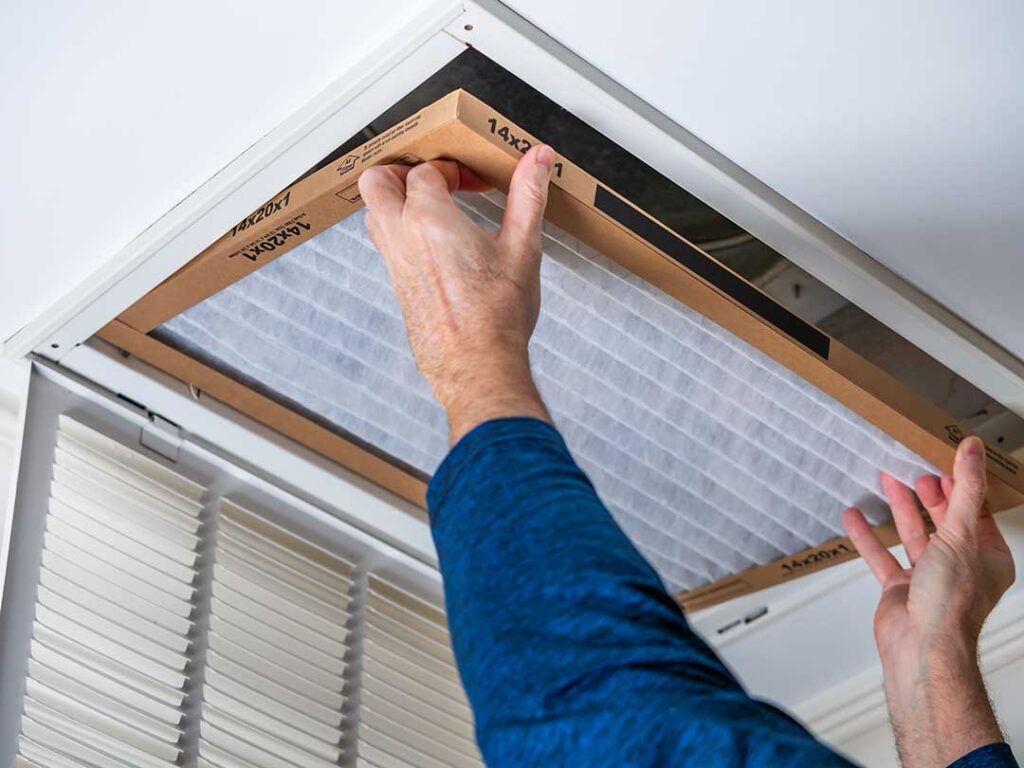
Why Does Humidity Matter for Your HVAC System?
Humidity directly affects how well an HVAC system keeps local homes comfortable and efficient. In Chapin, SC, summers are often hot and sticky while winters can feel damp or, on occasion, unseasonably dry. This means that air moisture levels are a year-round part of managing home comfort. Too much or too little humidity puts extra strain on heating and cooling equipment, influences energy usage, and can even change how healthy indoor air feels.
How Does High Humidity Stress Your Air Conditioner?
In the humid summer months, air conditioners have to remove both heat and excess moisture from the indoor air. Here’s how high humidity changes the workload:
- When air is saturated with moisture, sweat evaporates more slowly from the skin, making it feel warmer than the thermostat suggests.
- AC systems must run longer to pull humidity levels down to a comfortable range (ideally 30–50% relative humidity indoors).
- Extended run times can lead to higher utility bills and cause more rapid wear on equipment parts.
For households in Chapin, an air conditioner that isn’t sized or maintained correctly may seem to cool the air but leave rooms feeling clammy or sticky. This is a sign that the unit is not removing enough humidity, often because it cycles on and off too quickly, or because an air filter is clogged.
Can Too Little Humidity Also Cause Problems?
Dry indoor air is less common in this area, but it sometimes occurs during the coldest winter spells or when a heating system runs nearly nonstop. Low humidity can make heated rooms feel cooler, leading residents to nudge the thermostat higher and use more energy for warmth.
- Dry air can leave skin, eyes, and respiratory pathways irritated.
- Static electricity and cracked wood furniture or floors are common consequences of indoor air that’s too dry for extended periods.
Most homes in the city notice a bigger impact from excessive humidity than from dryness, but both extremes can affect comfort and HVAC efficiency.
How Does Humidity Impact Utility Bills?
Air rich with moisture is harder for an HVAC system to treat. When a cooling system or heat pump is working overtime to keep indoor conditions comfortable:
- It uses more electricity to achieve the same temperature setpoint.
- Higher run times increase wear on the compressor and blower.
For example, when outdoor humidity climbs after a summer thunderstorm, even homes with good insulation can notice spikes in air conditioning use. Utility bills in such periods reflect not just increased cooling but the extra effort to balance indoor air moisture. Keeping humidity in check can help curb these seasonal peaks in energy costs.
What Are Common Myths About Humidity and HVAC?
Some misconceptions persist among homeowners:
- "Lowering the thermostat is the only way to feel cooler in humid weather."
In reality, adjusting humidity levels indoors can make a room feel much cooler without lowering the temperature. Dehumidification often achieves the same comfort at a higher thermostat setting, reducing power use.
- "Homes in this area never need extra humidifiers."
While rare, some particularly airtight or well-insulated houses can develop low humidity in wintertime, especially if upgraded HVAC systems or wood-burning stoves are used frequently.
- "An AC removes all excess moisture, no matter what."
Standard air conditioners are designed to reduce both temperature and humidity, but they can be overwhelmed by very high moisture loads or malfunctions.
How Can Chapin Residents Monitor and Adjust Indoor Humidity?
Everyday steps can help keep things in balance:
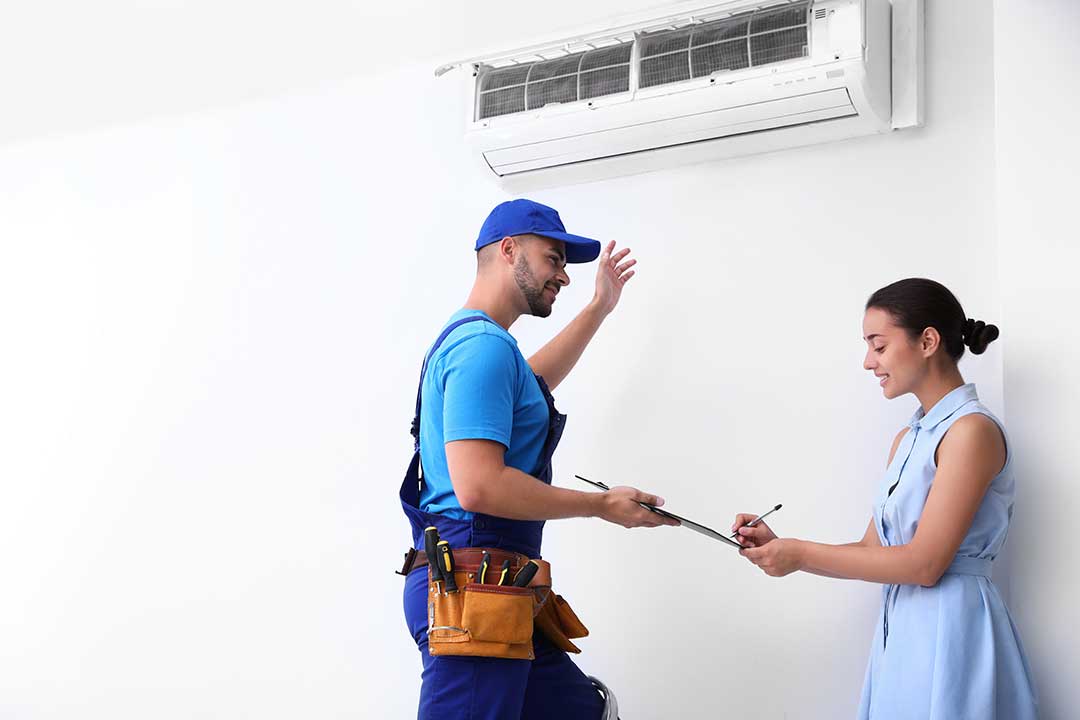
- Use a simple digital humidity gauge (hygrometer) to check the levels in living spaces and basements.
- Keep air filters clean—clogged filters restrict airflow, making it harder for HVAC systems to control both temperature and humidity.
- Vent bathrooms and kitchens to the outside, especially during long showers or boiling water.
- Use ceiling fans to circulate air, which helps both in adding and removing moisture as needed.
- If problems persist, some households add standalone dehumidifiers or look into system upgrades to include humidity controls.
In the city, older homes may be more prone to excess moisture buildup while some newer properties are built tightly enough to sometimes experience winter dryness. Knowing where your home falls on this spectrum is key.
Does Humidity Affect Indoor Air Quality and Health?
Unbalanced humidity can create potential health and comfort challenges:
- High humidity can encourage dust mites, mold, and mildew, especially in basements and crawlspaces. These allergens can aggravate asthma or allergies in residents.
- Persistent dampness can cause musty odors and, over time, damage to drywall and wooden structures.
- Low humidity in winter may worsen cold symptoms, dry skin, and make recovery from seasonal illnesses less comfortable.
Simple routines like checking for condensation on windows or persistent dampness in corners can help local households spot minor issues early.
What Are Subtle Signs of Humidity Trouble That Homeowners Miss?
Beyond the usual clues, some less obvious signs include:
- Walls or ceilings that feel cool and slightly damp even when the air temperature is normal.
- Electronic devices seeming to have more dust or requiring more frequent cleaning, since high humidity causes more dust to settle.
- HVAC equipment running constantly, or cycling on and off rapidly, in ways that don’t match the weather outside.
- A lingering “muggy” or “heavy” feeling in some rooms long after rain or high dew points have passed.
Recognizing these subtle indicators can help area residents address issues before they develop into larger comfort or equipment problems.