

 See My Latest Article on HelloNation
How Do Heating Costs Add Up in Chapin, SC?
Heating bills in Chapin, SC tend to rise during cooler months, especially when cold snaps hit unexpectedly or when winter lingers longer than usual. Most local homes rely on electric or gas heat pumps or furnaces, which can use significant energy when outside temperatures dip into the 30s or 40s at night. Older houses, common in some neighborhoods, may lose heat more quickly due to worn insulation or leaky windows. Even newer homes can see costs climb with poor thermostat habits or unnoticed drafts. The majority of wasted heat comes from inefficiencies, small habits, and simple oversights that can be reduced without much expense.
What Thermostat Settings Actually Save Money?
Setting your thermostat lower when you’re asleep or away is a proven way to save. For Chapin households, dropping the temperature by 7-10 degrees for 8 hours per day can offer noticeable savings without sacrificing comfort. Even a 1-2 degree adjustment downward can make a difference over the course of a month. Programmable thermostats help automate this process, but even manually lowering the settings overnight or when the home is empty is effective.
A common misconception is that cranking the heat higher will warm a cold house faster. In reality, your system heats at the same rate regardless of setting. Keeping the thermostat as low as comfortably possible is the most direct path to savings.
Can Small Weatherproofing Jobs Really Make a Difference?
Yes, sealing air leaks is one of the most practical ways local residents can prevent heat loss in Chapin homes. Gaps around windows, exterior doors, and attic hatches are common culprits—especially in homes over 10 years old. Cold air seeps in, and heated air escapes, forcing your system to work harder.
- Use simple foam weatherstripping or caulk to seal cracks and gaps
- Install draft blockers or sweeps at the base of exterior doors
- Close fireplace dampers when not in use
- Check pull-down attic stairs and basement doors for unsealed edges
Most weatherproofing materials are inexpensive and available at hardware stores, with DIY installation typically taking less than an afternoon.
Are There Easy Heating Habits That Actually Work?
Adjusting everyday routines can provide measurable reductions in heating costs. Residents often overlook habits such as:
- Opening curtains or blinds on sunny sides of the house during the day to allow natural warmth in, then closing them at night to insulate against heat loss.
- Keeping interior doors open to allow heated air to circulate unless a zone needs to be kept cooler.
- Layering clothing or using blankets before reaching for the thermostat.
Even infrequent use of space heaters in small, occupied rooms instead of raising the whole-home thermostat can temporarily reduce overall heating costs—just use safe models and never leave them unattended.
How Does Regular HVAC Maintenance Help?
A properly maintained heating system runs more efficiently and uses less energy. Dirty filters, blocked vents, or neglected equipment can increase costs and reduce comfort. In Chapin, changing or cleaning your air filter every 1-3 months during heating season is especially important due to local pollen, dust, and pet hair.
Residents should also:
- Ensure vents and returns are unblocked by furniture or curtains
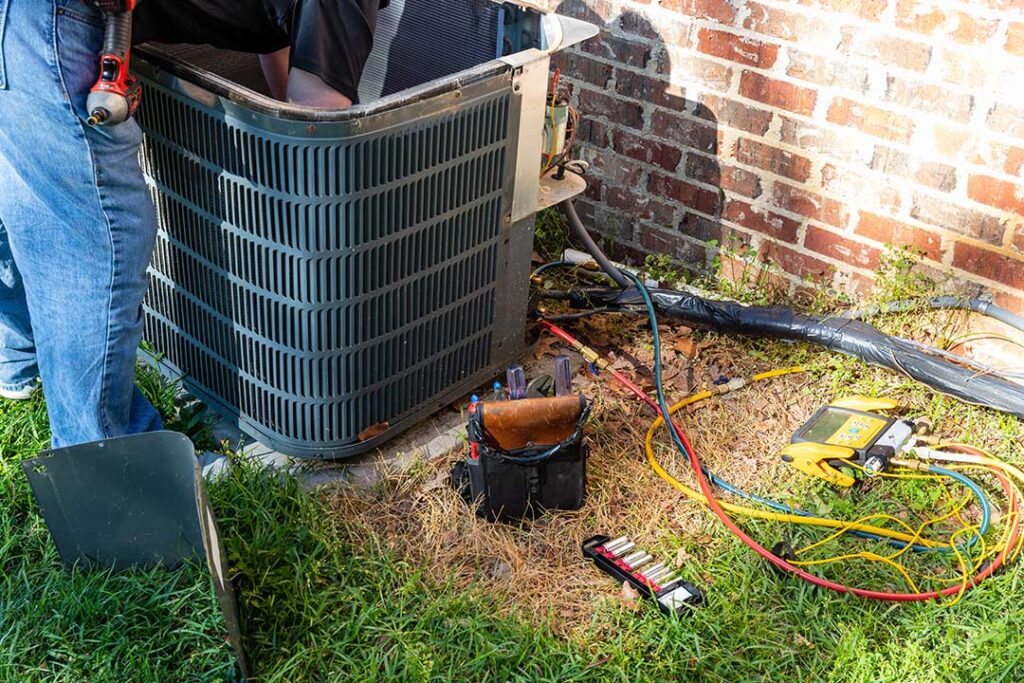
- Check that outdoor units (for heat pumps) are clear of leaves and debris
- Listen for unusual noises that may signal a mechanical issue
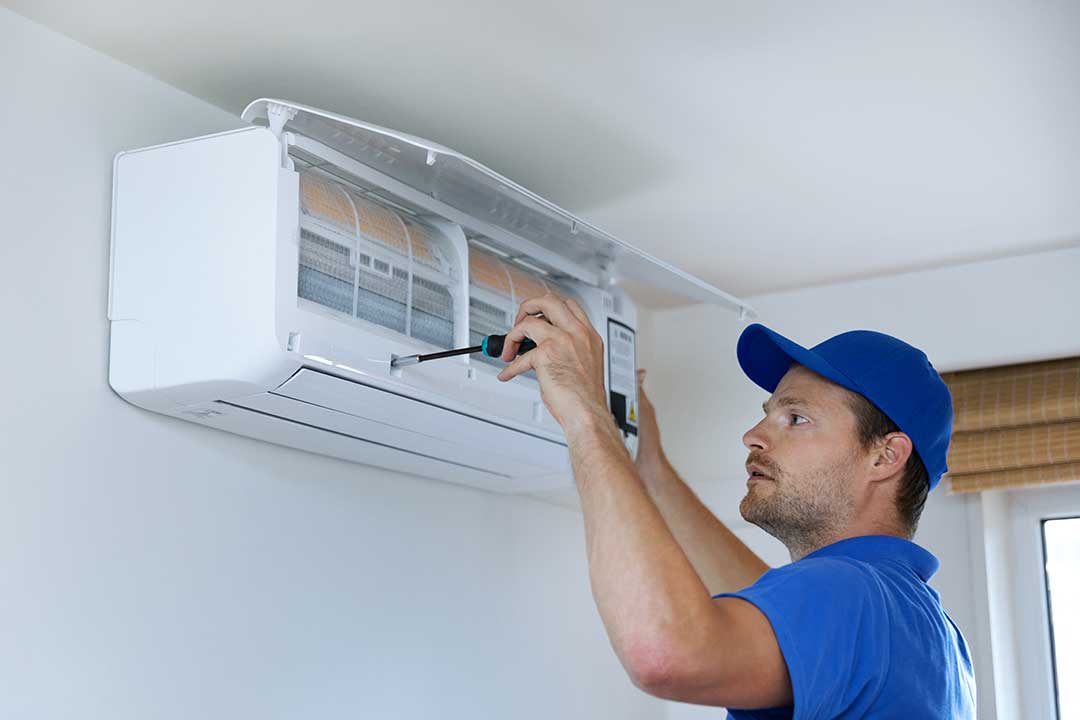
Annual professional check-ups are ideal for optimal efficiency, but homeowners can handle these basic tasks on their own between visits.
Does Insulation Matter in a Mild Southern Winter?
It’s easy to assume insulation is only critical in extremely cold climates, but Chapin’s mixed winter weather means insulation still has a large impact on heating bills. Uninsulated attics and crawl spaces let warm air escape, requiring the system to run longer. Upgrading attic insulation or adding insulation to unheated areas is often one of the most cost-effective steps, especially in homes built before recent energy codes.
Even simple checks, like making sure attic access panels are sealed and pipe penetrations are caulked, can deliver savings.
What About Shared Living or Vacation Schedules?
Many Chapin households travel during holidays or have variable school and work schedules. Setting a vacation mode or turning the thermostat down while away prevents waste. Even leaving the temperature as low as 55°F is generally safe for pipes and can reduce costs dramatically for longer absences.
For those sharing a home with roommates or family, agree on comfort levels to avoid “thermostat wars” that can drive up energy use.
Common Misconceptions That Raise Bills
Several assumptions can work against residents striving for lower heating costs:
- Believing a heat pump should never run continuously. (During cold snaps, mild cycling is normal—constant short cycling is not.)
- Thinking ceiling fans have no role in winter. (Reversing the fan direction can gently circulate warm air downward.)
- Assuming closing vents in unused rooms will cut costs. (This can unbalance the system and cause pressure problems.)
Clarifying these points can prevent well-meaning actions that might actually increase consumption or reduce comfort.
How Do Local Weather Patterns Affect Bills?
Chapin’s winter weather is typically mild but variable, with occasional cold and damp stretches. High humidity can make the air feel colder, encouraging higher thermostat settings. Tracking local weather forecasts helps households prepare for sudden cold snaps and adjust settings proactively rather than reactively. Periods of milder temperatures offer a good time to scale back heating and open windows for fresh air, resetting the cycle and giving energy costs a break.