

 See My Latest Article on HelloNation
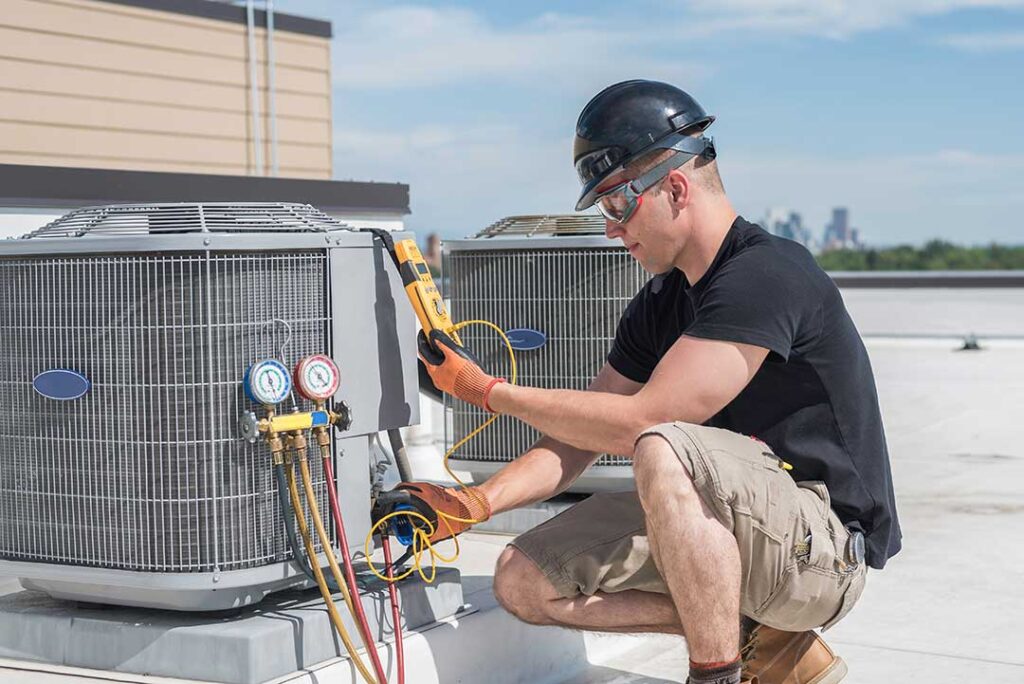
Heating and cooling equipment usually lasts longer when it operates under steady, moderate conditions rather than working through neglected maintenance, restricted airflow, or repeated breakdowns. For households in Chapin, SC, hot humid summers, pollen, thunderstorms, and occasional winter cold snaps all affect how hard an HVAC system works.
The most useful maintenance steps are simple: keep air moving freely, control moisture, protect outdoor equipment, and respond to small performance changes before they become major repairs.
How often should the air filter be changed?
Most homes should check the HVAC filter every month and replace it when it is visibly dirty or according to the filter manufacturer’s instructions. A typical replacement interval may range from one to three months, but the correct timing depends on the filter type, household activity, pets, renovation work, and indoor air quality.
A clogged filter makes the blower work harder and reduces the amount of air moving through the system. That can lead to uneven temperatures, longer run times, frozen cooling coils, and higher electrical use.
Check the filter more often during periods of heavy pollen or household dust. Homes with pets, indoor smokers, recent construction, or residents with allergies may need more frequent attention. The filter should be installed in the correct direction, with the airflow arrow pointing toward the equipment.
A higher-rated filter is not automatically better for every system. Some dense filters can restrict airflow if the HVAC equipment was not designed to handle them. If a new filter causes noticeably weaker airflow, the filter type may be inappropriate.
Why does airflow matter so much?
Good airflow helps an HVAC system transfer heat efficiently. Blocked supply registers, closed vents, dirty return grilles, or furniture placed over an intake can cause the system to run longer and experience more strain.
Keep supply vents and return openings clear of:
- Furniture and curtains
- Storage boxes
- Rugs or other materials
- Dust buildup
- Pet hair and lint
A return grille is not simply a vent that blows air into the room. It pulls room air back to the system, where it can be filtered and reheated or recooled. Blocking it can disrupt the balance of the entire system.
Room doors can also affect airflow in homes with limited return ducts. If a closed bedroom becomes unusually warm or difficult to cool, the problem may involve pressure and air circulation rather than the thermostat setting.
How can humidity affect HVAC equipment?
High indoor humidity makes a home feel warmer and forces the cooling system to run longer. Persistent moisture can also contribute to musty odors, biological growth on damp surfaces, and corrosion of metal components.
During the humid season, keep doors and windows closed while the air conditioner is operating. Use bathroom and kitchen exhaust fans briefly after producing steam, but avoid running them longer than necessary because they can remove conditioned air.
Signs of excessive indoor humidity may include:
- Condensation on windows
- A clammy feeling indoors
- Musty odors
- Swollen wood materials
- Slow drying of towels or fabrics
An air conditioner removes some moisture as it cools, but it may not control humidity well if it is oversized, has restricted airflow, or cycles on and off too quickly. A properly functioning system generally needs enough run time to remove moisture.
What should homeowners do with the outdoor unit?
The outdoor condenser needs clear air movement to release heat. Keep grass, leaves, vines, and other vegetation away from the cabinet. A practical clearance zone of roughly two feet around the unit helps provide adequate airflow, although the equipment manufacturer’s instructions should take priority.
After storms, inspect the area for:
- Fallen branches
- Accumulated leaves
- Mud or standing water
- Damaged fencing or nearby objects
- Insects or debris inside the cabinet
Turn off power before attempting any cleaning near the equipment. Avoid spraying high-pressure water into the cabinet, bending the delicate coil fins, or placing covers over the condenser while it is operating. A tightly covered outdoor unit can trap moisture and encourage corrosion.
In the fall, leaves may collect around the condenser. In the spring, pollen and cotton-like plant material can accumulate on the coil. Both seasons deserve a quick visual inspection.
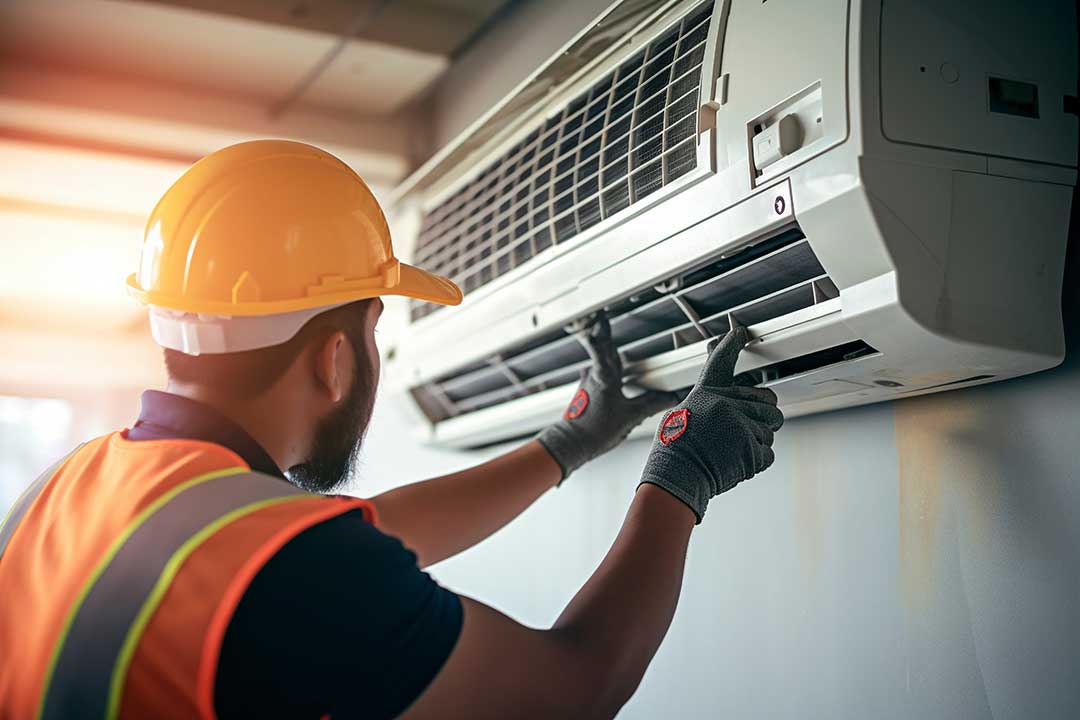
Does thermostat operation affect system life?
Yes. Large temperature changes and frequent manual adjustments can increase run time and cycling. A consistent thermostat setting is generally easier on the system than repeatedly lowering the temperature several degrees in response to discomfort.
Programmable or smart thermostats can reduce unnecessary heating and cooling when the home is unoccupied, but the schedule should match real household routines. Extreme setbacks may cause the system to run for a long period when returning to the preferred temperature.
The thermostat should be mounted away from direct sunlight, drafts, cooking heat, lamps, and supply vents. A poor location can cause the thermostat to read inaccurately and send incorrect signals to the equipment.
If the thermostat display is blank, the system repeatedly starts and stops, or the indoor temperature does not match the setting, the problem may involve power, controls, airflow, or equipment performance.
What maintenance should be left to a qualified technician?
Homeowners can safely handle filter changes, basic airflow checks, and outdoor-area cleanup. Tasks involving electrical components, refrigerant, gas connections, combustion, sealed system pressures, or major disassembly require appropriate training and safety procedures.
Periodic maintenance may include inspecting electrical connections, checking operating temperatures, examining coils, testing controls, measuring airflow, and verifying that condensate drains properly. The timing depends on the equipment, its age, usage, and condition.
Gas-fired heating equipment deserves particular caution. Unusual odors, soot, yellow flames, damaged venting, or signs of carbon monoxide should not be ignored. Leave the area if dangerous conditions are suspected and follow local emergency guidance.
Condensate drains also deserve attention because a blockage can cause water damage or shut down the cooling system. A drain pan containing standing water is a warning sign, not a normal operating condition.
Which warning signs should not be ignored?
Small changes often appear before a major failure. Prompt attention is appropriate when the system shows:
- Unusual grinding, scraping, buzzing, or rattling
- Weak airflow from several registers
- Ice on the indoor coil or refrigerant lines
- Frequent short cycles
- Persistent water around the indoor unit
- Burning smells that do not quickly disappear
- Rising energy use without a change in weather or household habits
- Rooms that remain uncomfortable despite normal thermostat settings
A single unusual sound does not always indicate a serious problem, but repeated or worsening symptoms should not be treated as normal aging.
Can older HVAC equipment last longer with good care?
Maintenance can extend useful service life, but it cannot eliminate age-related wear. Older systems may become less efficient, more difficult to repair, or more dependent on discontinued components. Equipment that requires repeated repairs, struggles to maintain temperature, or has safety concerns may warrant a broader evaluation.
Keeping records of filter changes, repairs, unusual symptoms, and operating costs can help identify gradual decline. It also gives household decision-makers a clearer basis for comparing continued repairs with eventual replacement.
For local households, the most protective routine is straightforward: inspect filters monthly, preserve clear airflow, manage indoor moisture, keep the outdoor unit free of debris, use the thermostat consistently, and treat unusual operation as useful information rather than an inconvenience to ignore.