

 See My Latest Article on HelloNation
What is the basic difference?
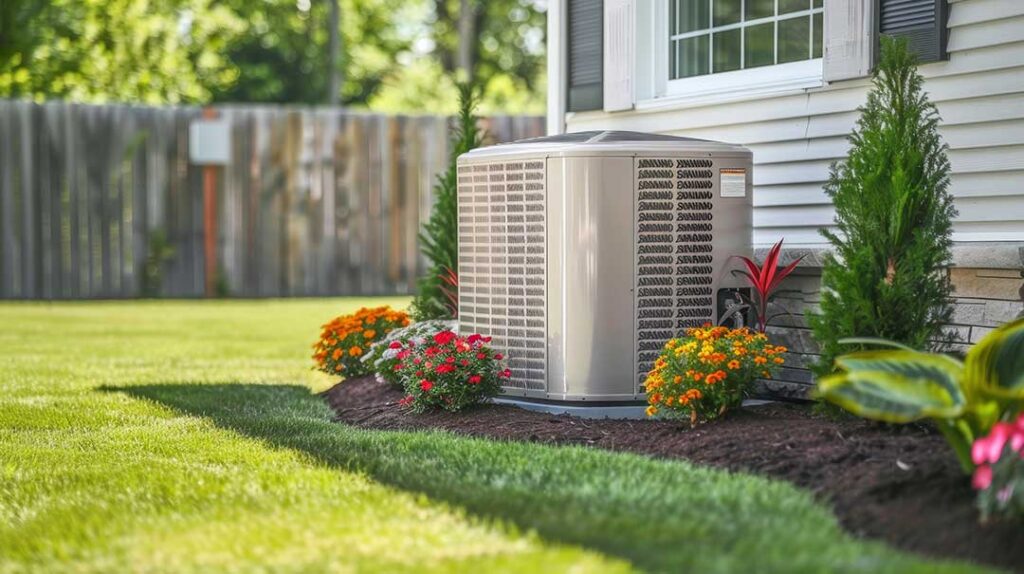
Central air conditioning uses one outdoor unit and a central indoor air handler or furnace to cool the entire home through a network of ducts. A ductless mini-split uses an outdoor condenser connected to one or more indoor wall-, ceiling-, or floor-mounted units, with each indoor unit serving a specific area.
Both systems can provide efficient cooling and heating, but they distribute conditioned air differently. Central air is designed for whole-home circulation through ducts, while ductless equipment creates separate comfort zones without requiring traditional ductwork.
How does central air work?
A central air system removes heat and humidity from indoor air and sends cooled air through supply ducts. Return ducts carry warmer indoor air back to the system, where it is filtered, cooled, and circulated again.
A typical central system includes:
- An outdoor condenser containing the compressor and outdoor coil
- An indoor evaporator coil
- An air handler or furnace blower
- Supply and return ductwork
- A thermostat and control wiring
Central air is often a practical fit for homes that already have usable ductwork. It provides a consistent appearance because the vents are integrated into ceilings, floors, or walls. A single thermostat can also make basic operation simple.
The quality of the duct system matters, however. Leaky, poorly insulated, undersized, or badly balanced ducts can reduce comfort and increase operating costs. In a warm, humid climate such as Chapin, SC, ductwork located in an unconditioned attic can also gain heat and may contribute to moisture-related problems if insulation and air sealing are inadequate.
How do ductless mini-splits work?
A ductless mini-split transfers heat between an outdoor unit and one or more indoor units through small refrigerant lines. Each indoor unit has its own fan, coil, filter, and temperature controls.
A single-zone system serves one room or area. A multi-zone system connects several indoor units to one outdoor condenser. Different rooms may be set to different temperatures, and unused areas can often be conditioned less aggressively.
Ductless systems are useful where installing ducts would be disruptive, expensive, or impractical. Common applications include:
- Older homes without existing ductwork
- Room additions and converted garages
- Detached living spaces
- Homes with persistent hot or cold rooms
- Areas where occupants want room-by-room temperature control
The indoor units remain visible, which some households consider a drawback. Filters also need regular cleaning because the units operate directly in the rooms they serve.
Which system is more efficient?
Ductless mini-splits often have an efficiency advantage because they avoid duct losses. Central systems can lose conditioned air through leaks, disconnected joints, and poorly insulated sections, especially when ducts pass through hot attic spaces.
That does not automatically make every mini-split cheaper to operate. Efficiency depends on equipment size, installation quality, thermostat settings, maintenance, insulation, air sealing, and how the home is used.
Central air may operate efficiently in a well-designed, tightly sealed duct system. A ductless system may use less energy when it allows residents to cool only occupied rooms instead of conditioning an entire home.
For either type, oversized equipment can create problems. A unit that is too large may cool the air quickly but fail to run long enough to remove adequate humidity. In summer, that can leave a home feeling clammy even when the thermostat reaches its setting.
Which system controls humidity better?
Both systems can control humidity, but performance depends heavily on sizing and operating cycles.
Central air naturally circulates air throughout the home and can provide broad humidity control when the system runs in properly timed cycles. Ductless mini-splits also remove moisture while cooling, but each indoor unit manages only its assigned area.
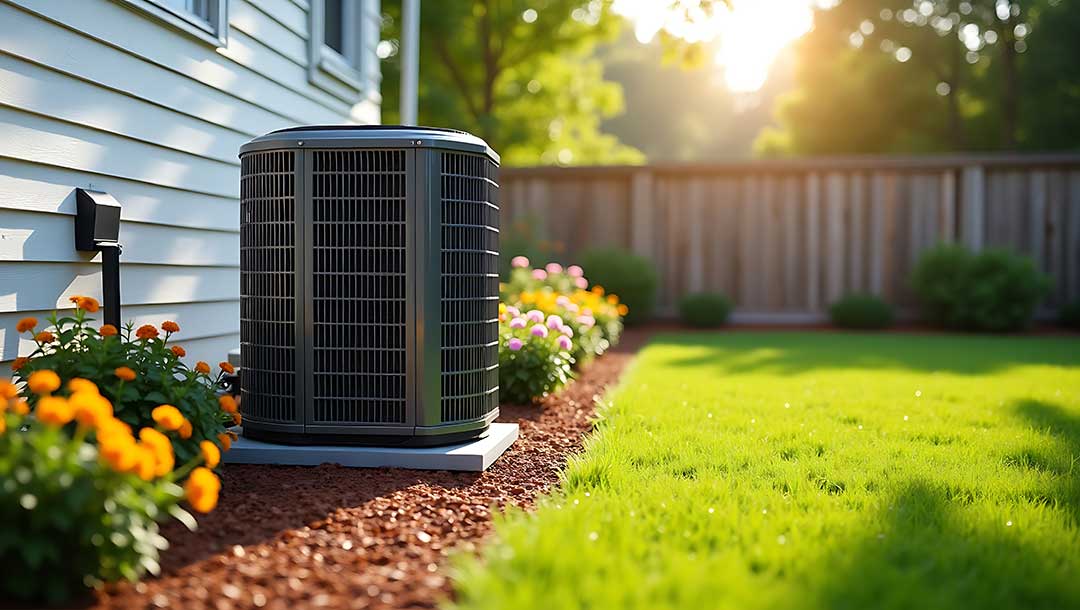
Ductless systems may be especially useful in rooms that become humid because of solar exposure, limited airflow, or unusual occupancy. However, a single indoor unit cannot solve moisture problems throughout the rest of the house.
In either case, moisture may also come from air leaks, crawl spaces, plumbing issues, inadequate bathroom ventilation, or a building envelope that allows humid outdoor air to enter. Air conditioning alone cannot correct every indoor humidity source.
Is central air or a mini-split better for an older home?
There is no universal answer. The better choice depends on the home’s existing ducts, layout, insulation, electrical capacity, and renovation plans.
Central air may be the simpler option if the home already has a properly sized duct system connected to a furnace or air handler. If the ductwork is damaged or located in difficult-to-access spaces, repairs or replacement may affect the overall cost and practicality.
Ductless equipment can avoid major duct installation, but it may require several indoor units to serve a home with many separate rooms. Each unit needs a suitable mounting location, line-set routing, condensate management, and access for cleaning.
In older houses, comfort problems are sometimes caused more by air leakage and insufficient insulation than by the type of cooling equipment. Improving the building envelope may help either system perform more consistently.
What are the main comfort differences?
Central air generally provides more uniform background cooling when the ductwork is balanced and doors remain open. It is less visually noticeable and works naturally with a whole-home thermostat.
Ductless mini-splits provide more direct control. A bedroom can be cooler than a living area, or an infrequently used room can be set back. This can be helpful for households with different schedules or temperature preferences.
Room-by-room control can also create uneven conditions if doors remain closed or if indoor units are selected without considering room size and heat gain. The result may be a cool main area with warmer adjoining rooms.
Fans, open doorways, insulation, and thoughtful thermostat settings may help distribute comfort, but a ductless system is not intended to behave exactly like a central ducted system.
What maintenance does each system require?
Central air typically needs regular filter replacement or cleaning, outdoor coil maintenance, condensate drain attention, and periodic inspection of ductwork and electrical components. Filters should match the equipment’s requirements rather than simply using the most restrictive option available.
Ductless mini-splits require filter cleaning at the indoor units, outdoor coil maintenance, condensate drain checks, and inspection of refrigerant lines and electrical connections. Because each indoor unit has its own filter and blower, a multi-zone system creates more individual maintenance points.
Before cleaning equipment, power should be turned off as directed by the manufacturer. Refrigerant handling, electrical repairs, and sealed-system work require appropriate training and equipment because mistakes can create safety hazards or damage the system.
Which option makes more sense for households in Chapin?
Central air is often a sensible fit for a home with existing, well-designed ducts and a preference for discreet whole-home conditioning. Ductless mini-splits may be better suited to homes without ducts, additions, converted spaces, or households that value independent room control.
Local summer conditions make humidity control, duct insulation, system sizing, and condensate drainage especially relevant. Winter heating needs also matter because many ductless mini-splits can provide heat through a reversing refrigeration cycle, while central systems may pair cooling equipment with a furnace or heat pump.
The most useful comparison is not simply equipment price. Consider the condition of the ductwork, the number of rooms requiring conditioning, noise and appearance preferences, humidity levels, electrical requirements, maintenance habits, and how often different areas are occupied.
Neither system is automatically superior. A properly sized and correctly installed system that matches the home’s layout will generally provide better comfort than a more advanced system that is poorly matched to the building.