

 See My Latest Article on HelloNation
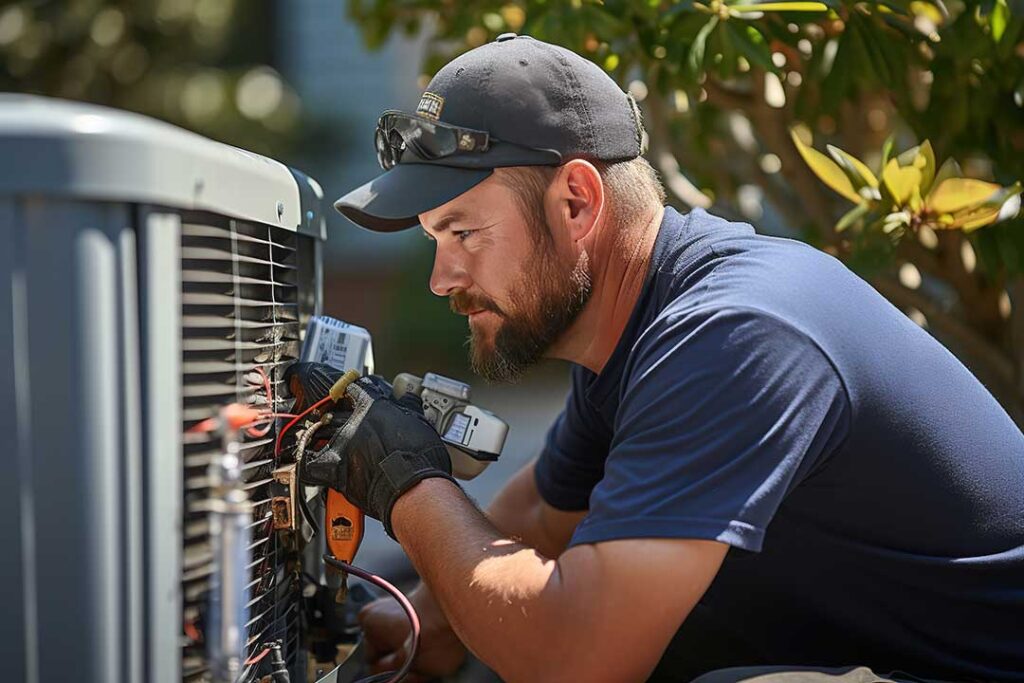
Pets often investigate warm air vents, outdoor units, utility rooms, and anything that produces an unfamiliar sound. Most HVAC equipment is designed to operate safely in a home, but curious animals can create hazards by chewing wires, blocking airflow, entering restricted spaces, or getting too close to hot surfaces.
For households in Chapin, SC, seasonal heating and cooling needs make these areas part of a pet’s everyday environment. A few simple precautions can reduce the risk of burns, electrical injuries, poor indoor air quality, and equipment problems.
Which parts of an HVAC system can be dangerous to pets?
The most common risks come from access, heat, electricity, moving parts, and restricted airflow. Pets do not need to touch the internal components of a system to be affected by it.
Potentially hazardous areas include:
- Furnace cabinets and heating components
- Electrical wiring near indoor or outdoor equipment
- Outdoor condenser fans
- Gas lines, flues, and exhaust vents
- Floor, wall, and ceiling air vents
- Utility closets and crawl-space access panels
- Portable heaters used near pets
- Drain lines and condensate pans
- Loose insulation or damaged ductwork
Cats may climb onto or inside equipment because it is warm, dark, or elevated. Dogs may chew accessible wiring, dig around an outdoor unit, or knock over portable heating equipment. Small pets can also crawl into openings that appear too narrow to be a concern.
How can pets be kept away from furnaces and air handlers?
Keep the mechanical area closed off whenever possible, especially if the furnace or air handler is located in a closet, basement, attic, garage, or utility room. A properly latched door is usually safer than relying on an improvised barrier that a determined pet can move.
Do not store pet beds, blankets, toys, food, litter, cardboard, or cleaning supplies directly beside HVAC equipment. Combustible materials should remain well away from furnaces and other heat-producing appliances. A pet bed placed near a furnace may seem comfortable in winter, but it can restrict access for inspection and may be exposed to excessive heat.
If a mechanical closet has a louvered door or required ventilation openings, do not cover or seal those openings to keep a pet out. Instead, use a pet barrier outside the equipment area that does not obstruct air circulation or emergency access.
Watch for signs that an animal has entered a restricted space:
- Scratching or movement sounds inside ductwork or a cabinet
- Fur, toys, or bedding near an access panel
- New odors coming from vents
- Unusual noises when the system starts
- A pet suddenly hiding near the furnace or air handler
Do not reach into equipment while it is operating. Turn the system off at the thermostat, and avoid opening panels that contain electrical or combustion components.
Are air vents safe for cats and dogs?
Air vents are generally safe when properly installed and securely attached, but they can become a problem if a pet removes the grille, chews the cover, or repeatedly lies directly over the opening.
A loose vent cover can expose sharp metal edges or allow a small animal to enter the duct. Pets that sleep over supply vents can also block airflow into a room. This may make the HVAC system work harder and can contribute to uneven temperatures.
Check vent covers periodically, especially in rooms where pets play. Replace damaged grilles and fasten loose covers with appropriate hardware. Avoid placing crates, furniture, litter boxes, or large pet beds directly over return-air grilles. Return vents need open airflow to pull air back into the system.
Never spray fragrances, cleaners, disinfectants, or essential oils into vents. Air movement can distribute those substances throughout the home, and some products may irritate an animal’s respiratory system.
How should outdoor HVAC units be protected from pets?
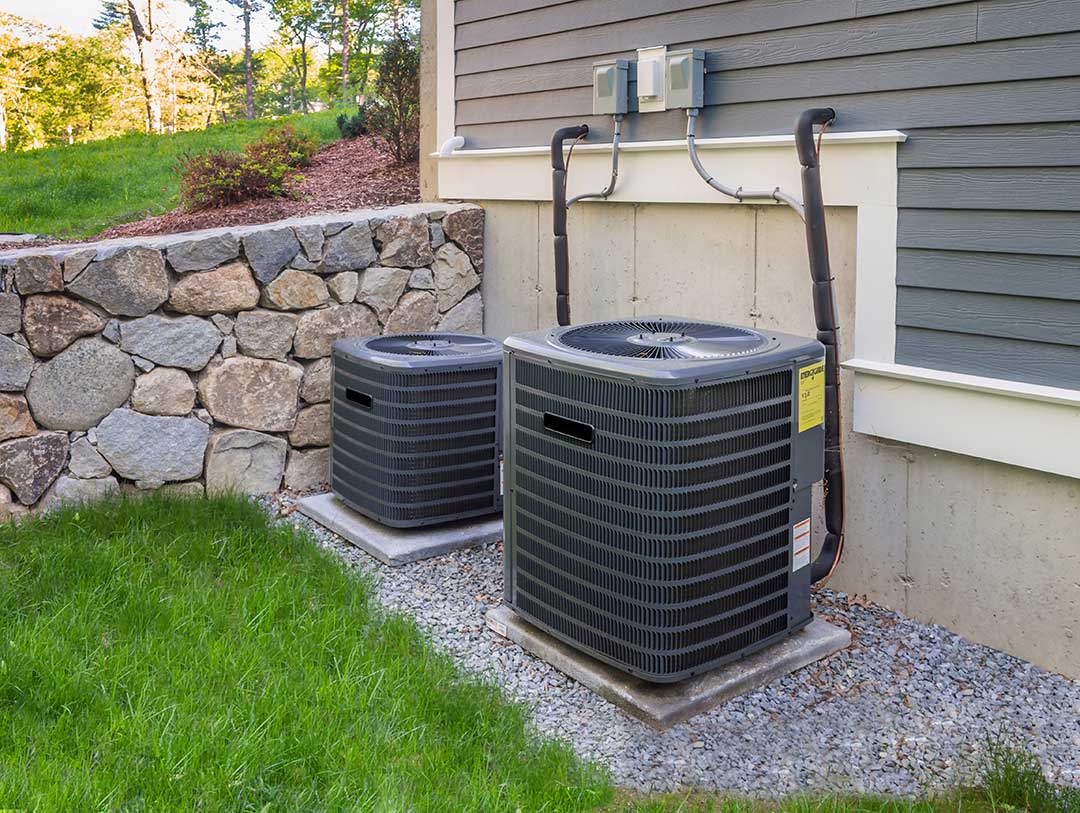
Outdoor condenser units should remain clear of fencing, stored items, vegetation, and pet activity. The fan inside the top grille can cause serious injury if a pet reaches through the opening while the unit is running.
A secure enclosure can help keep animals away, but it must allow adequate airflow and provide enough clearance for safe operation and maintenance. Do not wrap the unit in a solid cover while it is operating, and do not allow a dog to use the equipment as a digging target or marking area.
During periods of heavy rain, storms, or summer heat, inspect the area around the condenser for:
- Mud or standing water
- Chewed insulation or wiring
- Leaves and debris
- Animal nests
- Damaged panels or grilles
- Toys or objects lodged near the fan
Keep pets indoors while the unit is being cleaned or serviced. Even when power has been switched off, sharp metal edges and stored electrical energy can still present hazards.
What should pet owners know about portable heaters?
Portable heaters deserve special attention because pets can knock them over, lie too close to them, or chew their cords. Keep heaters on a stable, level surface where an animal cannot bump them or pull them down.
Maintain a clear area around the heater. Do not place it beside a pet bed, curtain, blanket, crate, or upholstered furniture. Power cords should not run beneath rugs or through areas where pets can chew them.
Never leave a portable heater operating unattended with a pet that can access it. This is especially important for puppies, kittens, birds, and animals that are anxious or prone to chewing.
A pet’s preference for warmth can also hide a problem. If an animal suddenly stays close to a heater or warm vent more than usual, consider whether it is cold, ill, elderly, underweight, or having difficulty regulating body temperature.
Can HVAC problems affect a pet’s health?
Yes. HVAC-related problems can affect pets through heat, cold, smoke, combustion gases, dust, mold, or poor ventilation.
Pets may show heat stress through heavy panting, weakness, drooling, confusion, vomiting, or collapse. Short-nosed breeds, older animals, overweight pets, and those with heart or lung conditions can be especially vulnerable during hot, humid weather.
In winter, an animal that is shivering, lethargic, unusually quiet, or seeking constant warmth may be too cold. Provide a comfortable resting area away from direct heat and never use a heating pad or electric blanket without careful supervision.
A fuel-burning furnace should not produce persistent exhaust odors inside the home. Carbon monoxide cannot be detected by smell, so working carbon monoxide alarms are essential in homes with combustion appliances. If an alarm sounds or anyone in the household experiences symptoms such as headache, dizziness, nausea, or confusion, leave the home and seek emergency assistance. Do not re-enter until the situation has been evaluated.
How can pets be protected during HVAC maintenance or emergencies?
Before routine maintenance or filter changes, place pets in another room. This prevents them from approaching tools, open panels, loose fasteners, dust, or electrical components.
Keep identification information current in case a pet escapes during an emergency evacuation. A carrier, leash, medication list, and several days of food should be easy to access. Include pets in the household fire and severe-weather plan, but never delay evacuation by re-entering a burning or unsafe home.
If a pet has been shocked, burned, exposed to smoke, or trapped inside ductwork or equipment, move the animal away from the hazard only when it is safe to do so. Electrical power or gas should be shut off only if that can be done without personal risk. Veterinary evaluation may be necessary even when an injury appears minor.
A safe HVAC setup is not just one that keeps rooms comfortable. It should also prevent curious animals from reaching dangerous components, allow air to move freely, and give household members a clear way to respond when equipment behaves unexpectedly.