

 See My Latest Article on HelloNation
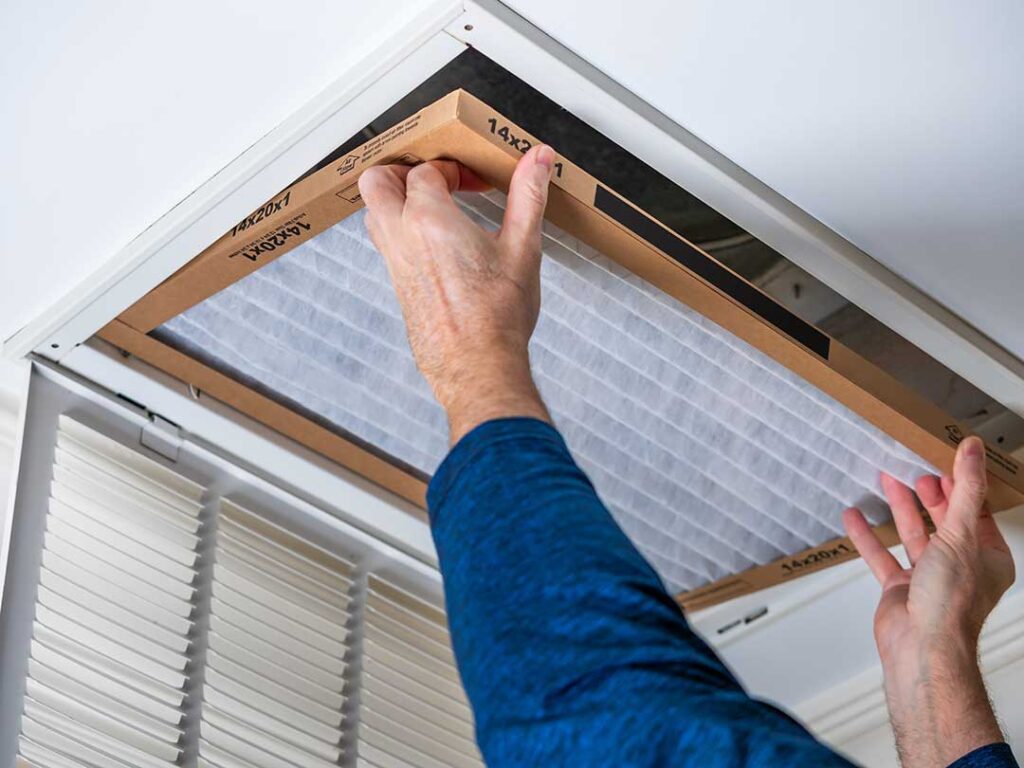
Dust is a normal part of indoor life, but an HVAC system can either help control it or spread it throughout the house. In Chapin, SC, seasonal pollen, humid weather, open windows, tracked-in soil, and frequent heating or cooling can all contribute to visible dust.
The most effective approach combines the right air filter, regular maintenance, better airflow, and simple household cleaning habits. An HVAC system cannot remove every particle, but it can reduce how much dust circulates through living spaces.
How does an HVAC system affect household dust?
Your HVAC system continuously moves air through return grilles, ductwork, filters, and supply registers. If the filter is correctly installed and replaced at appropriate intervals, airborne particles are captured before the air returns to the living areas.
Dust can increase when:
- The filter is missing, clogged, damaged, or installed backward
- The filter does not fit tightly in its slot
- Return grilles or supply registers are dirty
- Duct connections leak
- The system runs with insufficient airflow
- Indoor surfaces are dusty and the HVAC fan sends particles back into circulation
A central system does not create dust by itself, but it can redistribute dust that is already inside the home. The return side of the system is especially important because it pulls air from rooms back toward the indoor equipment.
What HVAC filter should a household use?
A pleated filter with a moderate MERV rating is usually a practical starting point for many homes. MERV describes how effectively a filter captures different particle sizes. A higher rating is not automatically better if the HVAC system is not designed to push air through a more restrictive filter.
For many residential systems, a MERV 8 to MERV asse? 11 filter may provide useful dust and pollen control without creating excessive airflow resistance. The correct choice depends on the equipment, filter size, system design, and the condition of the blower and ductwork.
Avoid choosing a filter solely because it has the highest rating on the shelf. A filter that is too restrictive can reduce airflow, make the system run longer, increase energy use, and contribute to coil or blower problems.
Check the filter:
- At least once a month during heavy heating or cooling use
- After remodeling, sanding, or other dusty work
- More often if the home has pets, allergies, or several occupants
- Whenever airflow from the vents seems weaker than usual
A filter should be replaced when it is visibly loaded with dust, even if the printed replacement interval has not arrived.
How often should HVAC filters be changed?
Many one-inch filters need replacement about every one to three months, but there is no universal schedule. A lightly occupied home may go longer, while a home with pets, construction dust, or high pollen exposure may need more frequent changes.
Homes in the area may experience periods when outdoor pollen and humidity increase the amount of material brought indoors. Keeping windows open during high-pollen conditions can also load the filter faster.
Do not wait until a filter is completely gray or visibly collapsing. A filter can restrict airflow before it looks severely dirty. Marking the installation date on the filter frame makes it easier to track changes in dust levels and system performance.
Can duct cleaning reduce dust?
Duct cleaning may help when ducts contain substantial construction debris, pest droppings, heavy visible buildup, or material that is being released into rooms. It is not automatically necessary simply because a home has dusty vents.
Dust often enters through gaps around return grilles, filter racks, air handlers, and duct connections. If those areas are not sealed, cleaning the inside of the ducts may provide only temporary improvement.
Look for practical warning signs:
- Dust collecting rapidly around return grilles
- Visible debris blowing from supply registers
- Persistent musty or dirty-air odors
- Ductwork damaged during remodeling
- Evidence of pests or moisture inside the system
- Dust streaks around vent covers or ceiling registers
Flexible ductwork can collect debris if it is damaged, compressed, or poorly supported. Any repair involving electrical components, refrigerant, combustion equipment, or difficult-to-access ductwork should be handled by a qualified technician for safety reasons.

How should vents and return grilles be cleaned?
Turn the HVAC system off before cleaning registers. Remove vent covers when practical, wash or vacuum them, and allow them to dry completely before reinstalling them.
For fixed grilles, use a vacuum attachment followed by a slightly damp microfiber cloth. Avoid pushing dust deeper into the duct opening. Do not spray household cleaner directly into the duct or onto electrical equipment.
Return grilles deserve particular attention because they collect the largest volume of household air. If a return grille is covered with lint, pet hair, or dust, the system may have to work harder to move air.
Do not block return grilles with furniture, rugs, curtains, or storage items. Restricted returns can reduce circulation and make dust control less effective.
Does humidity affect dust?
Humidity changes how particles behave indoors. Very dry air can allow fine dust to remain suspended longer, while excessive humidity can encourage dust mites and mold growth. A commonly comfortable indoor range is roughly 30% to 50% relative humidity, although the best setting depends on the home and season.
During humid weather, air-conditioning helps remove moisture as it cools the home. If indoor humidity remains high, possible causes include oversized equipment, short run times, poor ventilation control, air leakage, or moisture entering from the building envelope.
A basic humidity meter can show whether indoor moisture is consistently elevated. Condensation on windows, damp odors, or recurring surface mildew are signs that moisture deserves attention rather than simply adding more filtration.
What household habits reduce dust most effectively?
HVAC filtration works better when fewer particles enter the home. Several low-cost habits can make a noticeable difference:
- Place washable mats at exterior doors and clean them regularly.
- Remove shoes near entrances during wet or muddy conditions.
- Vacuum floors with equipment that has a sealed system and a fine-particle filter.
- Dust surfaces with a damp microfiber cloth instead of a dry feather duster.
- Wash bedding regularly, especially in rooms where occupants have allergies.
- Keep return grilles and furniture away from dusty renovation areas.
- Replace or clean vacuum filters as directed.
- Groom pets outdoors when practical and wash pet bedding often.
- Keep windows closed during periods of heavy outdoor pollen.
Cleaning from higher surfaces downward prevents dust from settling on areas that were already cleaned. Air movement from ceiling fans can also redistribute settled dust, so fan blades should be cleaned periodically.
When does persistent dust signal an HVAC problem?
A sudden increase in dust, dust appearing immediately after filter replacement, or heavy buildup concentrated around certain vents may indicate an equipment or duct issue. Possible causes include return-side leakage, an improperly fitted filter, damaged duct insulation, inadequate filtration, or negative pressure pulling dusty air from attics, crawlspaces, garages, or wall cavities.
Dust alone does not prove that ducts are contaminated. However, persistent problems combined with unusual odors, weak airflow, moisture, visible debris, or unexplained increases in indoor irritation deserve further investigation.
The most useful first steps are simple: confirm the filter size and direction, inspect the filter rack for gaps, clean the grilles, check for blocked returns, and observe whether the problem is limited to one room or occurs throughout the house. If the issue involves electrical wiring, combustion equipment, refrigerant, mold-like growth, or inaccessible duct repairs, safety should take priority over do-it-yourself work.