

 See My Latest Article on HelloNation
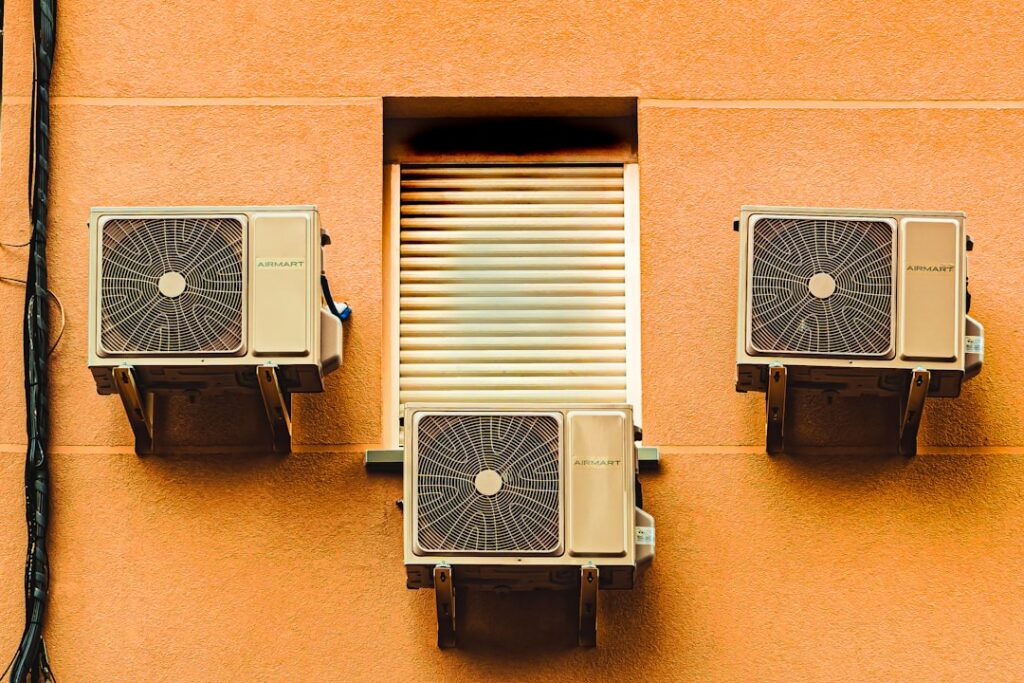
How Can You Tell if Your HVAC System Needs Repair or Replacement?
For homeowners in Chapin, SC, deciding between repairing an aging HVAC system and investing in a new unit is a common dilemma. The answer depends on factors like system age, repair history, and how well your equipment is performing during the region’s hot, humid summers and occasional chilly winters.
A general rule is that minor issues—like clogged filters or small electrical faults—can often be repaired, especially when the unit is under 10 years old. However, repeated breakdowns or serious failures in older systems may signal it's time to consider replacement.
What Signs Suggest It’s Time to Replace Your HVAC System?
If your HVAC system is nearing the end of its typical lifespan (about 10-15 years for many models), especially with frequent issues, replacement may be the most practical option.
Signs pointing toward replacement include:
- Rising utility bills with no change in home comfort, indicating declining efficiency.
- Uneven temperatures or humidity problems even after repairs.
- Strange noises or unpleasant odors from the unit that persist after maintenance.
- Needing major repairs, like a compressor failure, that cost half or more of a new system.
- Repeated service calls for different parts in a single cooling or heating season.
Locally, systems in Chapin work hard through long stretches of heat and humidity. Equipment exposed to such conditions may show age sooner than national averages. If your cooling bills have jumped or you’re often calling for service while the unit is over a decade old, a new system may be more cost-effective than patching repeated problems.
Are There Times When Repair Makes More Sense?
Repair often makes sense when the issue is isolated, and the system still operates efficiently otherwise.
Common repair-worthy scenarios:
- The equipment is under warranty or less than 10 years old.
- Problems are minor, like a burned-out capacitor, thermostat malfunction, or busted blower motor.
- Home comfort hasn’t changed and energy usage remains consistent.
- The repair cost is low—well under half the price of a new installation.
In Chapin, many homeowners find small repairs (like replacing drain lines blocked due to high humidity) can restore comfort without the expense of a replacement, especially if the core mechanical parts are in good shape.
Should You Consider Energy Efficiency and Modern Features?
Yes, energy efficiency and newer features should influence your decision. Older systems often have lower Seasonal Energy Efficiency Ratio (SEER) ratings, meaning they use more electricity to deliver the same level of comfort as newer models. Upgrading can lead to noticeable savings on monthly electric bills, especially during local peak cooling months.
Modern systems often include:
- Improved humidity control for muggy weather.
- Quieter operation and variable-speed fans.
- Compatibility with smart thermostats and zoning options.
If you plan to stay in your home for several years, investing in a more efficient system can offer long-term financial and comfort benefits over patching together aging equipment.

What Other Factors Should Chapin Homeowners Weigh Before Deciding?
The climate and housing patterns of Chapin add a few unique layers to the decision-making process.
Consider:
- Many area homes are surrounded by trees, which can lead to faster debris buildup and increased maintenance.
- Frequent summer storms and high humidity can strain systems and lead to mold or electrical issues.
- Local building codes or neighborhood covenants may impact your choices for upgrades.
- If your household has members sensitive to pollen or dust, newer HVAC technology can offer better filtration.
Carefully track repair visits and utility bills—sometimes, the cumulative cost of frequent repairs outweighs the price of reliable, efficient replacement far sooner than expected.
Are There Misconceptions About Repair vs. Replacement?
A few common myths cloud judgment:
- Some believe HVAC replacement is always needed after 10 years, regardless of system condition. In reality, a well-maintained system may last longer.
- Others assume repairs are always cheaper, but repetitive fixes add up, and inefficiency can raise energy costs far beyond new equipment payments.
- Some think new systems must be much larger or more complex, but the right system for a home’s size and insulation may actually be smaller and more efficient.
A trusted evaluation based on performance, cost, and comfort—not just years in use—leads to the best outcome.
What’s the Safest Approach if You’re Still Unsure?
If the HVAC problem involves electrical hazards, refrigerant leaks, or carbon monoxide, immediate professional help is required for safety and code compliance. For most issues, track the specific symptoms, dates of repairs, and costs. Compare those to the expense and benefits of new equipment, factoring in local energy rates and your home’s insulation.
Talking through the specifics with a knowledgeable source—especially if you’re seeing unusual symptoms during peak summer or winter—helps area households avoid wasted expense without sacrificing comfort.