

 See My Latest Article on HelloNation
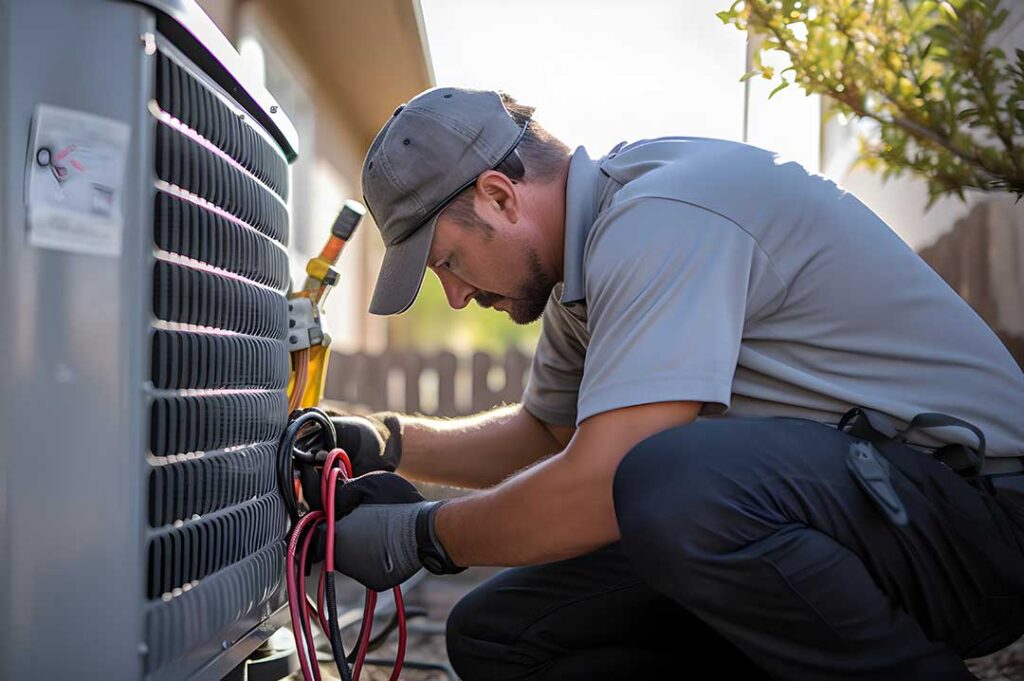
Why refrigerants matter in residential HVAC
Refrigerants are the chemicals that move heat in air conditioners, heat pumps, and refrigerators. They are essential to indoor comfort, but some refrigerants can contribute substantially to climate change if they leak or are released during servicing and disposal.
For households in Chapin, SC, this issue is especially relevant because cooling systems operate for long periods during hot, humid weather. A system that is well maintained, properly charged, and correctly retired generally has a much smaller refrigerant impact than one with repeated leaks or improper disposal.
The environmental effect of a refrigerant depends on several factors:
- Whether it damages the ozone layer
- How strongly it contributes to global warming
- How long it remains in the atmosphere
- How much refrigerant the equipment contains
- Whether leaks occur during the system’s life
- Whether the refrigerant is recovered at the end of service
Do all refrigerants damage the ozone layer?
No. Refrigerants have different environmental profiles, and ozone depletion is not the same issue as global warming.
Older chlorofluorocarbon refrigerants, commonly called CFCs, damaged the stratospheric ozone layer and have been phased out. Some hydrochlorofluorocarbons, including R-22, also affected ozone, although less severely. Newer hydrofluorocarbons, or HFCs, generally do not deplete the ozone layer, but many have a high global warming potential.
This distinction explains why replacing an ozone-damaging refrigerant with an HFC solved one environmental problem while creating another. Refrigerant regulations now focus increasingly on reducing greenhouse-gas emissions as well as protecting the ozone layer.
What does global warming potential mean?
Global warming potential, or GWP, compares the heat-trapping effect of a gas with carbon dioxide over a specified period, usually 100 years. Carbon dioxide has a GWP of 1.
A refrigerant with a GWP of 1,000 has roughly 1,000 times the warming effect of the same amount of carbon dioxide over that comparison period. The actual climate impact of a household system depends on the refrigerant charge, the amount leaked, and the equipment’s energy use.
A small leak can still matter. Residential air conditioners may contain several pounds of refrigerant, and repeated leaks over many years can add up. Some refrigerants also remain in the atmosphere for a long time, which means their effects do not disappear quickly after release.
Which refrigerants are found in homes?
The refrigerant depends largely on the age and type of equipment.
Older central air conditioners and heat pumps may use R-22, an ozone-depleting refrigerant that is no longer used in newly manufactured residential equipment in the United States. Many newer systems use R-410A, an HFC blend that does not harm the ozone layer but has a relatively high GWP.
Newer equipment is increasingly designed for lower-GWP refrigerants. Common examples include R-32 and blends such as R-454B, although the exact refrigerant varies by equipment design and applicable regulations. Some newer refrigerants are mildly flammable, which means the system must be specifically engineered, labeled, installed, and serviced for that refrigerant.
A replacement refrigerant cannot simply be poured into an existing system because the pressures, oils, controls, safety requirements, and approved components may differ. Using the wrong refrigerant can damage equipment and create a safety hazard.
How do refrigerant leaks affect the environment?
A refrigerant leak has two separate environmental effects.
First, the released chemical may directly contribute to warming, depending on its GWP. Second, the system may operate less efficiently as the charge becomes low. The equipment can run longer, consume more electricity, and struggle to remove humidity.
In a humid climate, reduced dehumidification can affect comfort even when the thermostat reaches its setting. A system may appear to be cooling adequately while operating inefficiently and leaking refrigerant.
Signs that may justify further investigation include:
- Repeated need for refrigerant additions
- Ice forming on refrigerant lines or indoor coils
- Long cooling cycles with weak temperature reduction
- Hissing or bubbling sounds near fittings
- Unexpected increases in electricity use
- Moisture problems or indoor humidity that remains high
Adding refrigerant without addressing the leak does not solve the environmental problem. It only replaces material that may escape again.

Is releasing refrigerant into the air illegal?
Intentional venting of most refrigerants during maintenance, repair, or disposal is prohibited under federal refrigerant-management rules. Refrigerant must generally be recovered using approved equipment before an air conditioner, heat pump, or other appliance is opened or discarded.
Recovered refrigerant may be recycled for certain uses or sent to an approved reclaimer. Refrigerant that changes ownership generally must meet reclamation requirements before it can be sold for reuse.
These rules apply to more than large commercial systems. They also affect residential central air conditioners, heat pumps, window units, and other appliances that contain regulated refrigerants. Household residents should not puncture, cut, drain, or dismantle equipment that may still contain refrigerant.
What happens when an old HVAC system is replaced?
Proper replacement involves more than removing the outdoor unit and taking it to a recycling facility. The refrigerant must be recovered, the equipment should be handled through an appropriate disposal or recycling process, and components such as metals, wiring, and electronics may be separated for material recovery.
A homeowner replacing an older system can ask for the refrigerant type and confirm that the old charge will be recovered rather than vented. This is a practical environmental question, not merely a technical detail.
Refrigerant recovery also protects workers and waste-handling equipment. Some newer refrigerants have flammability classifications that require specific recovery procedures, cylinders, tools, and storage practices.
Does replacing a system always reduce environmental impact?
Not necessarily. New equipment may use a lower-GWP refrigerant and consume less electricity, but manufacturing and disposing of HVAC equipment also require materials and energy.
Replacing a functioning system solely because its refrigerant has a high GWP may not always be the least-impact option. The decision depends on the equipment’s age, efficiency, leak history, repair condition, expected service life, refrigerant availability, and the environmental impact of manufacturing a replacement.
A system with frequent leaks, poor efficiency, or major mechanical problems may have a stronger case for replacement. A relatively reliable system may continue operating responsibly if leaks are repaired and the refrigerant is managed correctly.
What can local households do?
Residents can reduce refrigerant-related impacts through ordinary equipment decisions and careful disposal habits:
- Keep outdoor coils and indoor filters reasonably clean so the system does not run longer than necessary.
- Pay attention to repeated refrigerant additions rather than treating them as routine maintenance.
- Keep records of the refrigerant type listed on equipment labels and service paperwork.
- Do not mix refrigerants or use an unapproved substitute.
- Avoid placing old air conditioners or refrigerators at the curb unless the disposal process specifically addresses refrigerant recovery.
- Ask how refrigerant will be recovered before an appliance is removed.
- Do not attempt to open sealed refrigeration circuits without the required equipment, training, and certification.
- Consider both refrigerant impact and electricity consumption when evaluating replacement equipment.
Federal rules governing HFCs and lower-GWP equipment continue to evolve. Equipment installed in 2026 may be subject to different requirements than systems installed years earlier, and the details can vary by product category. The label on the equipment and the manufacturer’s documentation provide the most reliable starting point for identifying the refrigerant and required service procedures.
For area households, the most meaningful environmental priorities are straightforward: prevent leaks, avoid improper disposal, use the correct refrigerant, recover refrigerant before equipment is opened or discarded, and consider system efficiency alongside chemical impact.