

 See My Latest Article on HelloNation

How Do Smart Thermostats Actually Cut Costs?
Smart thermostats lower utility bills by automatically adapting heating and cooling to a household’s habits and needs. The technology goes beyond simply setting a schedule. By learning daily patterns and responding to real-time changes, smart devices reduce unnecessary energy use—even when no one is home. These savings can be especially visible in homes across Chapin, where summers are humid and winters can swing from mild to surprisingly chilly.
Unlike traditional manual or programmable models, smart thermostats:
- Use motion sensors or GPS from phones to detect when residents leave or return
- Learn preferred comfort levels over time and adjust accordingly
- Access weather data to optimize settings for outdoor conditions
This helps ensure energy is not spent cooling or heating an empty house. Even minor improvements, like adjusting temperature setpoints during sleeping hours or while you’re away, visibly impact monthly bills—especially during peak summer and winter months when HVAC use is highest in the area.
Are Savings Significant for Houses in Chapin?
Most residents see substantial reductions in heating and cooling costs after switching to a smart thermostat. Several factors contribute to the total savings for any particular home:
- Age and efficiency of the HVAC system
- Quality of insulation
- Size and layout of the house
- How often people are away during the day
In Chapin’s climate, where air conditioning often runs from spring through fall, cutting back cooling during unoccupied hours brings sizable benefits. Local households that regularly adjust the thermostat or are out for much of the day typically see the biggest drops in energy use. Studies by utility efficiency programs suggest area homes can expect to save anywhere from 8% to 15% on cooling and heating costs compared to leaving the thermostat at the same temperature all the time.
Can You Still Have Full Control Over Home Comfort?
Yes, modern smart thermostats allow residents to override schedules at any time—by using the device itself, a mobile app, or voice controls. For example, if schedules shift unexpectedly or a cold snap hits, residents can instantly adjust the temperature remotely from anywhere. This provides more flexibility than older programmable models, which often need multiple steps to change settings for just one day.
For those who prefer hands-off management, most smart thermostats “learn” over time and suggest energy-saving adjustments based on both individual comfort and weather changes. In the event of power loss or WiFi disconnects, most retain their most recent settings, avoiding any disruption to comfort.
What Practical Features Matter Most Locally?
In Chapin’s climate, the following smart thermostat features are especially useful:
- Geofencing: Uses residents’ mobile devices to adjust comfort settings automatically as people come or go.
- Adaptive recovery: Pre-cools or pre-heats the home just before scheduled arrival times, so residents walk into their desired comfort without wasting energy.
- Humidity balancing: Some smart thermostats can control dehumidification settings—a big plus during muggy Carolina summers.
- Smart alerts: Notifications about unusual usage or system issues can help spot problems, such as a filter needing replacement or a system running nonstop.
Is Installation Straightforward for Most Homes?
Many area houses, especially those built or renovated in the last two decades, are compatible with smart thermostats. Most models can replace an existing thermostat in less than an hour, using basic home tools. Common hurdles include:
- Lack of a “C-wire” (common wire) in older homes. Some smart thermostats now work without it, but double-checking compatibility is key.
- HVAC systems with multi-stage heating/cooling or older heat pumps may need extra setup.
- Homes with multiple thermostats (zoned systems) may benefit from installing a smart model on each zone for best performance.
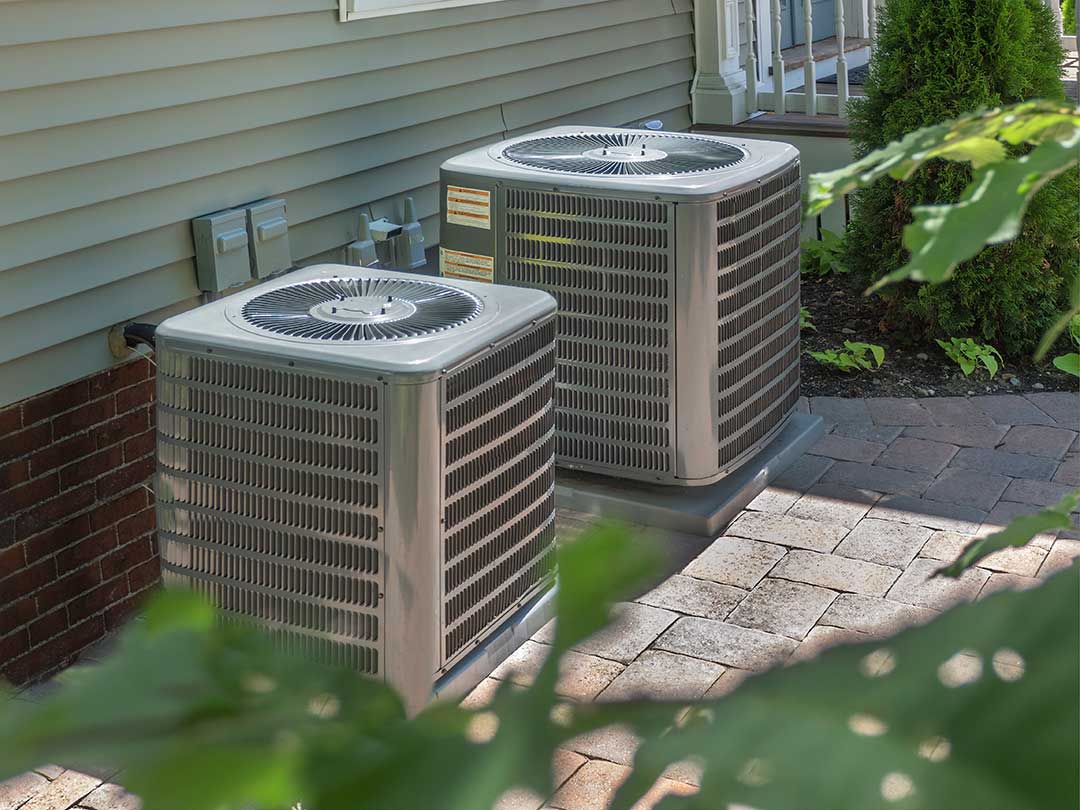
For most local residents, installation can be completed with clear instructions or video guides. However, if electrical wiring is confusing or if the HVAC system is unusually complex, it is wise to seek guidance to ensure proper function and safety.
Are There Downsides or Limitations Local Households Should Know About?
Smart thermostats do provide significant potential for savings, but a few challenges sometimes arise:
- Homes with frequent schedule changes or large groups may require more frequent manual adjustments.
- For best results, all household members should be familiar with how to use the settings or the connected app.
- If internet service in a particular area is unreliable, some smart features may be limited, but basic temperature controls will still work.
- In homes with older, inefficient HVAC systems, upgrading the thermostat will help, but the biggest gains may still require improvements to insulation, weather sealing, or the equipment itself.
What Are Common Misconceptions About Smart Thermostat Savings?
Some believe that “set it and forget it” with a smart thermostat alone guarantees maximum savings, but real results depend on using the available features. Not all models offer the same capabilities, and some low-cost options may lack important functions like learning or remote alerts. Consistent, moderate temperature swings (rather than sharp, daily changes) tend to work best for homes in the area.
Another misconception is that turning the system off entirely during absences maximizes savings. In hot, humid months, this can actually lead to excess humidity, which risks mold growth or damage to wood floors and furniture. Setting the temperature higher or lower by a few degrees, rather than off, often provides a safer balance of comfort and efficiency.
How Can Residents Make the Most of a Smart Thermostat?
To maximize the value of a smart thermostat in the community:
- Experiment with energy-saving “away” or “eco” modes
- Set modest temperature swings when the home is unoccupied (for example, 78°F cooling in summer when away, 68°F heating in winter)
- Use app alerts to catch issues—don’t ignore signs like an HVAC system running nonstop
- Periodically review energy reports to learn where simple adjustments could save even more
Thoughtful use of these features lets families enjoy greater comfort in the local climate while keeping utility bills in check.